Category: oral health care

  • Healing the Tongue Frenulum: How Long Does It Take to Recover?

    The tongue frenulum is a small tissue band beneath the tongue that supports movement and speech. A sore or injured tongue frenulum can be surprisingly uncomfortable. Whether due to accidental biting, trauma, irritation from braces, dental appliances or sharp foods, oral habits, or a surgical procedure like a frenectomy, healing the tongue frenulum can take time, care, and patience.

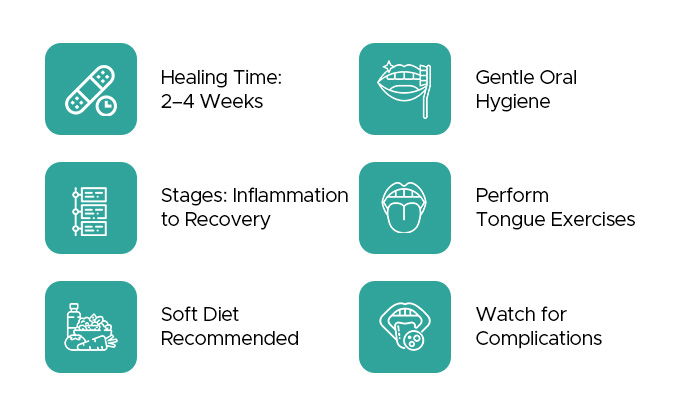
    So, how long does it take to recover? Typically, healing from tongue frenulum takes about 1 to 2 weeks for minor injuries and 2 to 4 weeks post-surgery. But healing can vary based on your oral health, age, and aftercare practices.

    If you’re looking to understand how to recover tongue frenulum properly and what to expect during the healing journey, read the sections below. We break down the stages, timeline, and essential aftercare steps to guide you toward a smoother recovery.

    Tongue Frenulum Healing Time: What to Expect

    Wondering how long it takes to recover from tongue frenulum. Here are the clear answers!

    Stage Time Frame What Happens
    Inflammation Day 1–3 Redness, swelling, and sensitivity
    Tissue Formation Day 3–7 New tissue begins forming
    Strengthening Phase Week 2–3 Tissue strengthens, mobility improves
    Full Recovery Week 3–4 Minimal discomfort, full tissue regeneration


    Each stage should show continuous improvement. If progress halts or reverses, it could be an indicator of poor aftercare, infection, or abnormal tissue growth.

    1. Healing from Minor Injury or Tear

    • Recovery Time: 5 to 10 days.
    • Symptoms: Soreness, swelling, or a small cut.
    • Care Tips: Rinsing with warm salt water, avoiding spicy or hot foods.

    Minor injuries often go unnoticed until they begin causing pain during eating or speaking. If detected early and treated conservatively, they usually resolve without medical intervention. However, deep or recurring injuries may require clinical assessment to rule out underlying conditions.

    2. Healing from Frenectomy Procedure

    • Recovery Time: 2 to 4 weeks (varies based on technique: scalpel, laser, or scissors).
    • Initial Healing: 3 to 5 days with visible improvement.
    • Complete Tissue Regeneration: Up to 4 weeks.

    A frenectomy is a quick outpatient procedure, but recovery must be handled thoughtfully. Proper healing ensures the tongue regains its full range of motion and avoids scar formation that can re-restrict movement.
    tongue frenulum healing time

    Factors That Affect Tongue Frenulum Healing Time

    Tongue frenulum healing time varies from person to person. Here are the list of factors affecting the same –

    1. Age and General Health

    Children and young adults typically heal faster due to robust tissue regeneration. Elderly patients or individuals with systemic issues such as diabetes may experience slower healing.

    2. Type of Procedure or Injury

    The use of a laser in frenectomy offers a cleaner cut and less bleeding, which usually results in quicker recovery. In contrast, traditional scissors or scalpel techniques may cause more discomfort and longer healing duration.

    3. Oral Hygiene Practices

    Post-procedure care is critical. Daily rinsing with antiseptic solutions or saline water reduces infection risk, especially during the first week. Neglect can lead to swelling, pus formation, or even delayed wound healing.

    4. Nutritional Support

    Proper diet post-injury accelerates recovery. Nutrients that play a key role include:

    • Vitamin C: Boosts collagen production and immunity.
    • Zinc: Supports cell repair and reduces inflammation.
    • Protein: Rebuilds damaged tissue.
    • Iron: Aids oxygen delivery to healing tissues.

    Avoiding sugary and acidic foods is equally important as these can hinder healing or increase the risk of secondary infections.

    How to Recover Tongue Frenulum: Best Practices

    Recovering from a frenectomy or tongue frenulum injury isn’t just about rest — it’s about active care. Follow these expert tips for faster healing and long-term recovery:

    Immediate Post-Injury or Post-Procedure Care

    • Cold compress: Place under the chin for 10-15 minutes to reduce swelling.
    • Pain relief: Use doctor-recommended painkillers if necessary.
    • Soft diet: Stick to mashed potatoes, smoothies, soups, and yogurt for the first few days.
    • Gentle cleaning: Avoid aggressive brushing. Use antiseptic mouthwash if prescribed.

    Tongue Mobility Exercises

    After a frenectomy, targeted exercises ensure the tongue regains full function. These exercises should be practiced 2-3 times a day:

    • Tongue Elevation: Touch the roof of your mouth with the tip of your tongue.
    • Side Glides: Move tongue side to side touching the upper molars.
    • Resistance Pushes: Push the tongue against a depressor or clean finger.

    These may seem minor but significantly influence speech development, especially in children. Lack of exercise can lead to reattachment or scar-induced limitations.

    Long-Term Care

    Long after the initial healing, maintenance is crucial to ensure no re-injury or recurring inflammation. Tips include:

    • Routine dental checkups: Early identification of abnormalities.
    • Hydration: Dryness can impede oral healing. Drink plenty of water daily.
    • Lifestyle choices: Avoid smoking or chewing tobacco, both of which delay healing.
    • Speech therapy: If tongue function remains compromised, especially in children, consider therapy for proper articulation.

    Signs of Complications During Tongue Frenulum Recovery to Watch For

    Even with appropriate care, healing may not always follow a straight path. Warning signs include:

    • Persistent pain beyond 10 days.
    • Bleeding or oozing from the wound site.
    • Swelling that worsens after day 3.
    • White or yellow discharge indicating possible infection.
    • Difficulty swallowing or speech deterioration.

    In such cases, it’s important to immediately consult a certified dental clinic in Calicut or a dental clinic in Kochi for a proper evaluation. Professional intervention ensures timely treatment before the complication escalates.

    The Importance of Professional Follow-Up

    Recovery is not just about time. It’s about the quality of healing. Follow-up appointments serve multiple purposes:

    • Monitoring tissue growth and detecting irregularities.
    • Evaluating tongue mobility and speech clarity.
    • Ensuring exercises are being done properly.
    • Preventing future reattachments or scar limitations.

    A trusted dental provider can also make adjustments to your care plan. Elite Dental Studio provides holistic recovery support after surgical or accidental injuries involving the frenulum. Their personalized attention to post-treatment follow-ups ensures patients regain complete oral functionality.

    Book Your Appointment Now!

    Healing the tongue frenulum is a multi-phase journey. Whether it’s a minor injury or a surgical correction like frenectomy, the healing process demands patience, proper hygiene, and commitment to aftercare routines. While many cases recover in a few weeks, neglecting signs or skipping exercises can delay healing or lead to relapse.

    Consulting professionals early ensures a seamless recovery. Clinics like Elite Dental Studio bring a compassionate and expert approach to oral surgeries and recovery support, guiding patients through every phase with personalized care.

    If you’re in discomfort or uncertain about your tongue’s frenulum healing progress, don’t wait.

    Book Your Appointment with our expert dentists in Kochi, Calicut or Kannur now!

    Frequently Asked Questions

    How long does it take for the tongue frenulum to heal after a frenectomy?

    Ans. Recovery typically takes 2 to 4 weeks, depending on the surgical technique and post-care routine.

    Can a torn tongue frenulum heal on its own?

    Ans. Yes, minor tears usually heal within 5 to 10 days without medical intervention, but deeper injuries may require professional care.

    What foods should I avoid during the healing process?

    Ans. Avoid spicy, acidic, crunchy, and hot foods for at least 5 days post-injury or surgery.

    Do I need to perform exercises after a frenectomy?

    Ans. Yes, tongue mobility exercises are essential to prevent scar tissue and restore full range of motion.

    Is swelling normal after frenulum surgery?

    Ans. Mild swelling and soreness are normal for the first 2–3 days. Persistent or worsening symptoms should be evaluated by a dentist.

  • Are Dental Implants Safe for Diabetic Patients?

    Let’s just face it- once we start living with diabetes, we start making conscious efforts to keep it balanced. There is a lot on our plate to think about, right from managing our body sugar levels to managing our diet and lifestyle.

    It is natural for all of us to wonder about the question: are dental implants safe for diabetics when we decide to undergo implant treatment. Well, the answer is a big yes!!

    We at Elite Dental Studio, the best dental implant clinic in Calicut understand the unique challenges a diabetic patient faces. That’s why we’re here to guide you through everything you need to know about dental implants for diabetic patients, from risks and precautions to tips for a successful procedure.

    So, are you ready to discover?? Let’s go!

    Understanding Diabetes and Dental Implants

    Dental implants are an effective and popular solution to replace the missing teeth in the mouth. They are designed to feel, look, and function like a natural tooth. That’s why they are a popular choice among the patients.

    However, patients suffering from diabetes must be careful while they decide to undergo the implant treatment as it requires considerations. It is because diabetes can affect our body’s ability to heal and fight infections.

    These are the critical factors that decide the success of dental implants. You must notice that high blood sugar levels can slow down the healing process in our body and increase the risk of complications.

    Our team of doctors of the best dental implant clinic in Kochi states that well-managed diabetes doesn’t necessarily rule out dental implant treatment. Many diabetic patients can safely undergo the treatment process and enjoy long-lasting results. All it requires is proper care and planning on their part.

    Risks of Dental Implants in Diabetic Patients

    Even though they are generally safe, the dental implants for diabetic patients are often associated with certain risks. The risks are:

    Slower Healing 

    Diabetes can impair the blood flow in our body. It often delays the healing of gums and bones after you have undergone the implant surgery.

    Increased Risk of Infection 

    Higher blood sugar levels can create a perfect environment for the thriving of the bacteria to thrive. It often raises the risk of post-surgical infections.

    Bone Loss 

    It is necessary for you to control your diabetes. If you fail to do so, it may lead to bone loss. It further affects the stability of the dental implants.

    However, these risks don’t mean that implants in Diabetic Patients is not an ideal treatment. Our expert team states that these challenges can be mitigated with the help of proper diabetes management and expert care.

    How to Ensure Successful Dental Implants for Diabetics?

    Here are some of the steps that can help improve your chances of success if you are a diabetic patient planning to undergo implant treatment. Some of the tips are:

    Control Your Blood Sugar Levels

    It is necessary for you to keep your blood sugar within a healthy range. You must work with your doctor to manage your diabetes before, during, and after the treatment.

    Choose an Experienced Implantologist

    It is important for you to remember that not all dental clinics are equipped to handle the unique needs of all diabetics patients. We at Elite Dental Studio, the best dental implant clinic in Kannur specialize in implant treatment for diabetic patients.

    Our goal is to provide the patients with personalized care and ensure optimal outcomes after the treatment is complete.

    Maintain Excellent Oral Hygiene 

    It is essential for you to maintain excellent oral hygiene as it helps combat infections and promotes faster healing. You must brush, floss, and rinse your teeth with an antibacterial mouthwash on a regular basis.

    Follow Post-Surgical Instructions

    Our team of dentists will provide you with specific guidelines for aftercare of teeth implants near me. You must closely follow these instructions to minimize the risk and support the healing.

    Schedule Regular Check-Ups

    You must book a regular appointment with our team as it will allow us to monitor the progress of your implants and address any issues early on.

    Conclusion: Take the Next Step Toward a Confident Smile

    Implant is a life changing solution for missing teeth, even for the patients affected by diabetes. There is no need for you to worry about diabetes and dental implants as you can enjoy a healthy and confident smile for the years to come with proper planning, care, and seeking guidance from the dental team of Elite Dental Studio.

    We are committed to provide our patients with the best dental implant care. So, don’t hesitate to connect with us if you have more questions about dental implants for diabetes or wish to learn about the same.

    Your dream smile is just a click away!

    FAQs

    Can diabetic patients get dental implants?

    Yes, diabetic patients can get dental implants, provided their diabetes is well-managed. Proper blood sugar control and expert care are key to success.

    Are dental implants safe for diabetics?

    Dental implants are generally safe for diabetics, but there are additional risks, such as slower healing and a higher risk of infection. These risks can be minimized with proper care.

    How does diabetes affect dental implants?

    Diabetes can affect dental implants by slowing down the healing process, increasing the risk of infection, and potentially leading to bone loss.

    What should diabetic patients do before getting dental implants?

    Diabetic patients should work with their doctor to control their blood sugar levels and consult with an experienced implantologist to ensure a safe and successful procedure.

    Where can I find the best dental implant clinic near me?

    If you’re in Calicut, Kochi, or Kannur, Elite Dental Studio is your go-to destination for expert dental implant care.

  • Dental Treatment for Diabetic Patients: What You Need To Know

    Managing dental health can be challenging for anyone, but for diabetic patients, it requires an added layer of care. Diabetes impacts the entire body, and oral health is no exception. From gum disease to delayed healing, understanding the connection between diabetes and dental treatment is vital for ensuring a healthy smile and overall well-being. In this guide, we’ll explore how diabetes affects oral health and how the dental management of diabetic patients can help minimize complications.

    At Elite Dental Studio, we recognize the unique needs of diabetic patients and strive to provide comprehensive solutions for their oral health challenges. Whether you are looking for a dental hospital in Kochi, a dental clinic in Eranhipalam, or a dentist in Kannur, understanding the nuances of dental treatment for diabetic patients is crucial.

    How Diabetes Impacts Oral Health?

    Diabetes is known to affect multiple systems in the body and the mouth is no exception. Here are some ways diabetes can influence oral health:

    1. Increased Risk of Gum Disease: Diabetic patients are more susceptible to infections like gingivitis and periodontitis due to impaired immune function.
    2. Dry Mouth: A common symptom of diabetes is reduced saliva production, leading to dry mouth and an increased risk of cavities.
    3. Slow Healing: High blood sugar levels can delay wound healing, which is a concern for procedures like tooth extractions or implants.
    4. Oral Thrush: Diabetic patients often have a higher chance of developing fungal infections, like oral thrush, due to fluctuating sugar levels.
    5. Tooth Loss: Chronic periodontitis, when left untreated, can lead to tooth loss over time.

    Understanding these risks underscores the importance of regular visits to a dental clinic in Calicut or nearby for early diagnosis and preventive care.

    diabetes impacts oral health

    Common Oral Health Problems in Diabetic Patients:

    1. Gum Inflammation: Diabetic patients often experience swollen, bleeding gums, which can worsen without timely treatment.
    2. Dental Decay: High glucose levels can foster bacterial growth, leading to cavities.
    3. Burning Mouth Syndrome: Many diabetic patients report a burning sensation in their mouth, linked to nerve damage and dry mouth.
    4. Bad Breath: Persistent bad breath can be a symptom of both gum disease and unmanaged blood sugar levels.

    For those experiencing these symptoms, consulting a dental clinic in Talap ensures timely intervention and effective management.

    Effective Dental Management of Diabetic Patients

    Managing oral health as a diabetic requires a collaborative approach between you, your dentist, and your physician. Here are the key steps:

    1. Routine Check-ups:

    Regular dental visits every 3-6 months are essential to monitor oral health and address issues before they escalate. A visit to a dental clinic in Eranhipalam can make a significant difference in maintaining a healthy mouth.

    2. Blood Sugar Control:

    Keeping your blood sugar levels stable is vital. Uncontrolled diabetes can exacerbate oral infections and delay healing after dental procedures.

    3. Customized Treatment Plans:

    Dentists at Elite Dental Studio tailor treatments to accommodate the specific needs of diabetic patients. For example, antibiotics might be prescribed before dental surgeries to prevent infections.

    4. Advanced Care for Gum Disease:

    Treatments like scaling and root planing can effectively manage gum disease and prevent further complications.

    5. Oral Hygiene Practices:

    • Brush twice daily with fluoride toothpaste.
    • Floss daily to remove plaque between teeth.
    • Use an antibacterial mouthwash to reduce bacteria.

    Following these steps can significantly minimize complications associated with oral health problems and diabetes.

    Services Offered for Diabetic Patients at Elite Dental Studio: 

    At Elite Dental Studio, we specialize in providing personalized care for diabetic patients. Our services include:

    • Gum Disease Treatment: Comprehensive care for managing gingivitis and periodontitis.
    • Dental Implants: Safe and effective solutions tailored for diabetic patients.
    • Preventive Dentistry: Routine cleanings and check-ups to maintain optimal oral health.
    • Oral Surgery: Expertise in managing extractions and other surgical needs with careful attention to healing.

    Whether you’re seeking a dentist in Kannur or a dental clinic in Talap, our team is equipped to handle the complexities of dental treatment for diabetic patients with precision and care.

    Tips for Diabetic Patients to Maintain Oral Health: 

    • Monitor Blood Sugar Levels: Keep your diabetes under control to reduce oral health complications.
    • Stay Hydrated: Drink plenty of water to combat dry mouth and maintain saliva production.
    • Quit Smoking: Smoking worsens gum disease and delays healing.
    • Inform Your Dentist: Always let your dentist know about your diabetes status and any medications you’re taking.
    • Eat a Balanced Diet: Focus on nutrient-rich foods that promote both general and oral health.

    Why Choose Elite Dental Studio?

    Elite Dental Studio is committed to providing the highest standard of care for diabetic patients. From advanced periodontal therapies to personalized treatment plans, our expertise ensures that you’re in safe hands. With branches in prominent locations such as Kochi, Eranhipalam, Calicut and Kannur, we are dedicated to making premium dental care accessible to everyone.

    Conclusion! 

    Diabetes and oral health are intricately linked, and proactive dental care can make all the difference. By understanding the challenges and adopting preventive measures diabetic patients can enjoy a healthy, confident smile. Whether you’re managing gum disease or planning restorative treatments, addressing your oral health needs with a trusted provider is essential.

    Take the first step towards healthier teeth today. Book an appointment with Elite Dental Studio to experience exceptional care tailored to your needs. Your smile deserves the best!

    Frequently Asked Questions: 

    How does diabetes affect oral health?

    Ans. Diabetes can lead to gum disease, dry mouth, delayed healing, and increased risk of infections in the mouth.

    Can diabetic patients undergo dental treatments like implants or surgery?

    Ans. Yes, with proper blood sugar control and specialized care, diabetic patients can safely undergo procedures like dental implants or surgeries.

    Why is gum disease more common in diabetic patients?

    Ans. High blood sugar levels impair immune function and healing, making diabetic patients more prone to gum infections.

    What precautions should diabetic patients take before visiting the dentist?

    Ans. Maintain stable blood sugar levels, inform your dentist about your condition, and follow pre-treatment advice like taking prescribed antibiotics if needed.

    Are there specific dental care routines for diabetic patients?

    Ans. Regular brushing, flossing, using antibacterial mouthwash, and routine dental check-ups are essential for managing oral health in diabetic patients.

  • How Do You Get Rid of Teeth Pain in the Winter?

    The winter season is here and we all are definitely sitting in front of the bonfire or inside our blankets and enjoying the hot chocolates and what not! It’s the season where we wear warm clothes to keep the cold away. But there is one part of our body that we fail to cover, i.e. Our mouth!

    We fail to protect our mouth due to a lack of options for warm clothes and the chilly weather brings an unwanted guest along with itself- teeth pain in winter. Are you also affected by the sharp and stinging sensation whenever you bite something cold or consume hot meals? Or you might notice a feeling of extra sensitive teeth during winter mornings.

    Teeth pain is a common problem we all face during the winter. But every problem has a perfect solution, and so does tooth pain. We will discuss why your teeth hurt during the winter and how you can ease the pain. Let’s get started!

    Why Does Winter Cause Teeth Pain?

    We all have the same notion when we wake up in the morning- “Why do my teeth feel more sensitive in the winter?” The main culprit of the issue is temperature fluctuations. Due to cold temperatures outside, the air in your home can cause your teeth’s enamel to slightly contract. It then exposes the sensitive areas.

    The sensitivity issue is going to affect you more if you are affected by problems like gum recession, cavities, or enamel erosion. The team of dentists at Elite Dental Studio, the best dental clinic in Kannur, states that our consumption of sipping hot drinks or biting cold treats adds fuel to the fire. In short, our teeth will go through a rollercoaster journey of temperature changes during the entire season.

    winter cause teeth pain

    Common Triggers of Winter Tooth Pain

    Some of the few reasons why your face Tooth Pain Due to Cold during the winter season are:

    Sensitive Teeth

    The cold air blowing during the winter can intensify your discomfort if you have the issue of exposed roots or thin enamel.

    Chipped or Cracked Teeth

    The combination of cold air and hot beverages is a deadly combination. It is because it can worsen the existing cracks in your teeth which eventually leads to sharp pain.

    Cavities

    Tooth decay can expose the sensitive inner layers of your teeth. It makes them more reactive to temperature changes.

    Sinus Pressure

    The winter season often brings sinus infections to the table. It can cause pressure and you will have tooth pain due to cold daily.

    Grinding Teeth (Bruxism)

    You might grind your teeth more during the holiday season because of the unwanted stress. It leads to increased sensitivity in your teeth.

    Tips to Prevent Teeth Pain During Winter

    You must follow these tips while searching for the best dentist near me during the entire winter. The tips are:

    Use a Toothpaste for Sensitive Teeth

    You must start using a desensitizing toothpaste that helps protect the exposed nerves of your teeth. It helps calm down the nerves of your teeth.

    Stay Warm

    Try to wrap a scarf around your mouth whenever you are planning to go out. It helps protect your teeth from cold air.

    Avoid Extreme Temperatures

    You must avoid consuming ice cream immediately when you have a cup of hot coffee. The issue of Winter Toothache will plague your teeth if you do this.

    Maintain Oral Hygiene

    You must brush regularly with the help of a soft-bristle toothbrush. Moreover, you must floss daily to prevent plaque buildup. The plaque can worsen the teeth’ sensitivity.

    Don’t Skip Regular Dental Visits

    Book your appointment with the dentist regularly. Regular dental check-up allows for the early catching of the potential issue and addressing it as early as possible.

    Home Remedies for Quick Relief

    These remedies are effective solutions to address the issue of tooth pain due to cold whenever you are suffering from pain. The remedies are:

    • Saltwater Rinse

    A warm saltwater rinse can help address the issue of inflammation and cleanse your mouth.

    • Clove Oil

    Consider applying a drop of clove oil to the affected area. Clove oil is ideal for natural numbing and antibacterial benefits.

    • Cold Compress

    Hold a cold compress on your cheek to reduce the swelling on your cheek.

    • Honey and Warm Water

    The dentist at Elite Dental Studio, the best dental clinic in Calicut recommends rinsing your mouth with honey-infused warm water. It helps soothe irritated gums and reduce the bacteria in the mouth.

    • Avoid Sugary Foods

    Stop consuming sugary foods on an immediate basis. They can worsen tooth sensitivity.

    When to Visit a Dentist?

    There are instances where preventive care and home remedies are not just enough. It’s time for you to search and book an appointment at a dental clinic near me if you are:

    1. Experiencing persistent pain for more than 2 days.
    2. Redness or swelling around the gums.
    3. Facing difficulty in chewing or eating due to sensitive teeth.
    4. Feeling severe pain despite utilizing home treatments.

    Wrapping Up

    Don’t let the tooth pain affect your fun during the winter season. You have the power to keep your smile healthy and pain-free during the entire winter. All it requires is to understand the causes, take preventive measures, and know when to seek help from the dentists at Elite Dental Studio, the best dental clinic in Kochi. Allow us to help you enjoy winter without worrying about your teeth. Schedule your appointment now!

    FAQs

    Q.1. Why do my teeth hurt more in winter? 

    Sensitive enamel, temperature fluctuations, or any other underlying issues like cavities are the root cause of the pain during winter.

    Q.2. How can I reduce tooth sensitivity during winter? 

    Switching to a desensitizing toothpaste, avoiding the consumption of extremely hot and cold food, and maintaining oral hygiene are compatible measures.

    Q.3. Are there home remedies for tooth pain?

    Yes, there are! You can go for clove oil, salt water rinse, and warm honey water to soothe the discomfort.

    Q.4. When should I visit the dentist for tooth pain?

    It’s time to see a dentist if the pain is affecting you for more than 2 days or more.

    Q.5. Where can I find the best dentist in Kannur? 

    Trust only Elite Dental Studio for expert care in Kannur, Kochi, and Calicut.

  • How to Take Care of Your Teeth as the Weather Gets Colder

    Have you noticed how the colder months seem to affect everything—from your skin to your mood, and even your teeth? You’re not alone. Winter weather can take a toll on your oral health, making it essential to adapt your dental care routine. But how do you protect your teeth during the chilly season and ensure your smile stays healthy and bright? Let’s dive into some expert tips and strategies.

    Why Is Dental Care More Important in Winter?

    The colder months pose unique challenges for your teeth. Sudden temperature changes, reduced hydration, and seasonal habits can all lead to discomfort or even dental problems. Here’s a breakdown of why your teeth need extra care during winter:

    1. Increased Sensitivity

    • Cold weather can make your teeth more sensitive, especially if you already have issues like enamel erosion or gum recession.
    • Addressing sensitivity early by visiting a dental hospital in Calicut or Kochi can save you from prolonged discomfort.

    2. Dry Mouth

    • Heating systems used during winter can dry out the air, reducing saliva production and increasing the risk of tooth decay.
    • Staying hydrated and using a humidifier can help, but a professional cleaning at a dental clinic in Calicut ensures thorough care.

    3. Increased Risk of Gum Problems

    • Cold weather can exacerbate gum inflammation and sensitivity, leading to discomfort if left unchecked.

    winter dental care tips

    How to Take Care of Your Teeth in Winter season?

    Taking care of your teeth during the colder months doesn’t have to be complicated. Here are actionable steps you can implement:

    1. Protect Your Teeth from Temperature Changes

    • Avoid consuming very hot and very cold foods or drinks in quick succession. The sudden temperature changes can cause cracks in your enamel over time.
    • If you feel persistent discomfort, consult a dental hospital in Kochi for a comprehensive check-up.

    2. Maintain a Proper Oral Hygiene Routine

    • Brush twice a day with a fluoride toothpaste and floss daily to prevent plaque buildup.
    • Pay extra attention to areas where plaque tends to accumulate, such as between teeth and along the gum line.

    3. Stay Hydrated

    • Drinking water not only keeps you hydrated but also washes away bacteria and food particles.
    • Chewing sugar-free gum can stimulate saliva production, providing natural protection against cavities.

    4. Use a Mouthguard if Needed

    • Cold weather can cause jaw clenching for some individuals. A custom mouthguard from a dental hospital in Calicut can help protect your teeth.

    5. Regular Dental Check-Ups

    • Winter is a great time to schedule your routine check-up and cleaning. Visiting a dental clinic in Calicut ensures that any potential issues are caught early.

    How Cold Weather Impacts Orthodontic Treatments?

    If you are undergoing orthodontic treatment with aligners, colder weather can pose some challenges. Here’s how to manage them:

    • Preventing Aligners from Cracking: Avoid rinsing or cleaning aligners with hot water, as it can warp or crack the material.
    • Keeping Aligners Clean: Regular cleaning is vital to prevent bacteria buildup. Use lukewarm water and aligner-safe cleaning products.
    • Dealing with Dry Mouth: Wearing aligners can make dry mouth worse. Stay hydrated and consult your dental hospital in Kochi for additional solutions if needed.

    Why Choose Elite Dental Studio?

    At Elite Dental Studio, we understand the unique challenges your teeth face during the winter season. As a trusted dental clinic in Calicut, our team of experts offers tailored dental care solutions, including preventive treatments and aligner consultations. From professional cleanings to customized orthodontic solutions, we’re here to ensure your smile stays healthy and radiant.

    Conclusion

    Your teeth deserve extra care during the colder months. From managing sensitivity to ensuring proper hydration, these simple tips can make a big difference. Are you ready to protect your smile and enjoy the season without discomfort? Schedule your winter dental check-up today at Elite Dental Studio—your go-to dental clinic in Calicut. Achieve a flawless smile with customized solutions designed for all age groups. Let’s keep your teeth healthy and shining, no matter the season!

    FAQs 

    Why do my teeth hurt more in cold weather?
    Cold weather can increase tooth sensitivity, especially if you have enamel erosion or gum recession.

    Should I change my oral hygiene routine in winter?
    Yes, it’s essential to stay consistent with brushing and flossing while addressing additional concerns like sensitivity and dryness.

    Can winter weather damage my aligners?
    Yes, extreme temperature changes can warp aligners. Avoid exposing them to hot water or direct heat.

    How can I treat sensitive teeth during winter?
    Use toothpaste designed for sensitive teeth and consult a dental hospital in Calicut for advanced treatments if necessary.

    Why are regular dental check-ups important in winter?
    Cold weather can exacerbate dental problems. Regular visits to a dental clinic in Calicut can help detect and treat issues early.

  • Expert Tips for Children’s Oral Health

    Ensuring good oral health for children is crucial for their overall well-being. Healthy dental habits from a young age can prevent cavities, gum disease, and other dental issues that may arise later. In this guide, we share expert tips on how to maintain children’s oral health, covering the essentials of oral hygiene for kids, child dental care tips, and answers to common questions. Let’s dive in to help your child achieve a bright, healthy smile!

    Why Oral Health Matters for Kids?

    Oral health is often overlooked, but for children, it’s especially important. Developing healthy dental hygiene habits early can set the foundation for a lifetime of good oral health. Strong oral habits help prevent cavities, avoid painful dental problems, and even contribute to overall physical health. Visiting a pediatric dentist near me regularly can help monitor your child’s oral health and detect any issues early on.

    Key Tips for Maintaining Children’s Oral Health:

    Here are essential tips to help you maintain child oral health and instill lifelong habits for a healthy mouth.

    1. Start Early with Dental Hygiene for Kids:

    Oral hygiene for kids begins even before the first tooth appears. Gently clean your baby’s gums with a damp, soft cloth. Once the first tooth erupts, start brushing gently with a soft-bristled toothbrush. By age two, children can begin using a pea-sized amount of fluoride toothpaste, with supervision to ensure they don’t swallow it.

    2. Teach Proper Brushing Techniques:

    For effective brushing, teach your child to brush at least twice a day, ideally after breakfast and before bed. Make sure they’re brushing for two minutes, reaching all areas of the mouth. Using a timer or playing a two-minute song can make brushing time more enjoyable. Regular brushing is key for maintaining child oral health, and proper technique is essential in removing plaque and preventing decay.

    3. Limit Sugary Foods and Drinks:

    Sugary foods and drinks can cause cavities, especially in young children. Limiting sugary snacks and encouraging water or milk over soda can significantly help prevent tooth decay. For added protection, opt for tooth-friendly snacks like fruits, vegetables, and cheese, which help to maintain a clean and healthy mouth.

    4. Encourage Regular Dental Check-ups:

    Regular visits to a kids dentist near me are important for preventive care and to catch any issues early. Pediatric dentists specialize in children’s dental care and know how to make dental visits comfortable and fun. Starting check-ups early will help your child feel at ease with dental visits and can prevent anxiety as they grow.

    5. Make Flossing a Daily Habit:

    Flossing is essential for cleaning between teeth and removing plaque that brushing alone can’t reach. Start flossing once your child’s teeth touch, and help them learn the correct technique. By teaching them to floss daily, you’re promoting a habit that will protect their teeth and gums for years to come.

    Importance of Finding the Right Pediatric Dentist: 

    A qualified pediatric dentist is specially trained to handle children’s unique dental needs. Not only do they provide routine care, but they also help educate children about dental hygiene in a friendly manner. For parents in Kerala, a pediatric dentist in Kannur or a pediatric dentist in Calicut offers a convenient and specialized option for children’s oral care.

    Visiting a best pediatric dentist near me ensures your child receives expert attention in a child-friendly environment. Pediatric dentists also provide advice tailored to your child’s needs, helping you establish a dental care routine that fits their lifestyle and health needs.

    Tips for Making Oral Hygiene Fun for Kids:

    Sometimes, getting kids excited about oral hygiene can be a challenge. Here are some strategies to make dental care enjoyable:

    • Use colorful, fun toothbrushes featuring their favorite characters or colors.
    • Introduce brushing apps or songs to keep track of the two-minute brushing time.
    • Create a reward system to encourage consistent brushing and flossing habits.
    • Brushing together – setting an example can make a big difference in how children view dental care.

    Encouraging a positive attitude toward dental hygiene for kids not only keeps their mouths healthy but also sets the tone for lifelong oral health.

    Benefits of Good Oral Hygiene for Kids:

    Good oral hygiene for kids goes beyond a healthy smile. Here are some added benefits:

    • Prevention of cavities and gum disease: Regular brushing, flossing, and professional cleanings prevent plaque build-up, which is the leading cause of cavities and gum disease.
    • Improved self-esteem: A bright, healthy smile can enhance a child’s confidence, encouraging them to smile more often and feel good about themselves.
    • Better overall health: Oral health is linked to overall health. Poor dental hygiene can lead to infections that may affect other parts of the body.

    Starting young with proper dental care can protect your child from numerous dental issues and lead to a healthier future.

    Conclusion!

    Maintaining your child’s oral health is essential for their well-being, self-confidence, and overall health. By following these expert tips on oral hygiene for kids and child dental care tips, you can lay the foundation for a lifetime of healthy smiles. Start with simple daily routines, regular dental check-ups, and teach your child to prioritize their dental hygiene.

    At Elite Dental Studio, we understand the importance of quality dental care for children. Our team of friendly and experienced professionals is here to guide you every step of the way, providing expert care in a warm and welcoming environment. Interested in learning more? Schedule a visit to give your child the best start on their oral health journey!

    What’s your top priority for your child’s oral health? Let us know in the comments below – we’d love to hear your thoughts!

    Frequently Asked Questions: 

    How often should my child visit the dentist?

    It’s recommended to take your child for a dental check-up every six months. Regular visits help monitor their oral health and address issues early on.

    At what age should I start brushing my baby’s teeth?

    Begin brushing your baby’s teeth as soon as the first tooth appears, usually around six months of age, using a soft-bristled toothbrush and a tiny smear of toothpaste.

    How can I find the best pediatric dentist near me?

    Search for reputable pediatric dentists, such as a pediatric dentist in Kannur or pediatric dentist in Calicut. Look for specialists with experience in treating children in a friendly, welcoming environment.

    Is fluoride toothpaste safe for children?

    Yes, fluoride toothpaste is safe for children over the age of two, as long as it is used in small, pea-sized amounts and with supervision to ensure they don’t swallow it.

    How can I prevent my child from developing cavities?

    Encourage regular brushing and flossing, limit sugary snacks, and schedule regular dental check-ups. Teaching good habits early on can help prevent cavities.

  • Brushing and Flossing Made Fun: Tips for Kids Dental Health

    Imagine a world where brushing and flossing become the highlight of your child’s day, rather than a routine chore. Creating a positive dental hygiene routine for kids can set them up for a lifetime of healthy smiles. With the right strategies, oral care can transform from a mundane task into an engaging, fun activity. In this guide, we’ll explore tips to make oral hygiene fun for children, and provide essential dental tips for kids and parents to ensure a sparkling, healthy smile.

    Making Brushing and Flossing Fun:

    1. Turn It into a Game

    Overview: Games are a fantastic way to make brushing and flossing more enjoyable for children. Incorporating fun elements can turn oral hygiene into an exciting activity.

    Tips:

    • Brushing Timers: Use a timer or an app that plays music or has a fun animation for two minutes, the recommended time for brushing.
    • Sticker Charts: Create a chart where kids earn stickers for each successful brushing and flossing session, leading to a reward.
    • Storytelling: Make up stories about how toothbrushes and floss protect their teeth from “bad guys” like cavities and germs.

    Why: Games and incentives can make brushing and flossing a fun and rewarding part of their routine, motivating kids to participate willingly.

    2. Choose Fun Tools

    Overview: Letting kids pick their own toothbrushes and floss can give them a sense of ownership and excitement about dental care.

    Tips:

    • Character Toothbrushes: Opt for toothbrushes featuring their favorite characters or superheroes.
    • Flavored Toothpaste: Choose child-friendly toothpaste flavors that appeal to kids, such as bubblegum or fruit flavors.
    • Interactive Toothbrushes: Invest in electric toothbrushes with lights and sounds that engage children during brushing.

    Why: Fun, colorful, and interactive tools can make the process of brushing and flossing more appealing and less of a chore.

    3. Make It a Family Activity

    Overview: Brushing and flossing together as a family can reinforce good habits and make the routine enjoyable.

    Tips:

    • Family Brush Time: Schedule a specific time each day for the whole family to brush and floss together.
    • Role Modeling: Show enthusiasm and proper brushing techniques to set a positive example for your kids.
    • Educational Videos: Watch educational and entertaining videos about dental hygiene together.

    Why: Family involvement helps kids understand that dental care is important for everyone, making it a shared activity that’s more likely to stick.

    Essential Dental Tips for Kids and Parents:

    1. Start Early

    Overview: Establishing good oral hygiene habits from a young age is crucial for lifelong dental health.

    Tips:

    • Begin Early: Start cleaning your baby’s gums even before their first teeth come in.
    • Teething Toys: Use teething toys that are safe and help clean their gums and teeth as they emerge.
    • Regular Checkups: Schedule regular visits to a pediatric dentist in Calicut to monitor dental health and get professional advice.

    Why: Early intervention and consistent care set the foundation for healthy oral habits and prevent potential dental issues.

    2. Teach Proper Techniques

    Overview: Teaching kids the correct brushing and flossing techniques ensures they clean their teeth effectively.

    Tips:

    • Demonstrate Techniques: Show your children how to brush in circular motions and how to floss properly.
    • Use Visual Aids: Employ visual aids or apps that teach correct brushing techniques in a fun way.
    • Encourage Independence: Gradually let your child take more responsibility for their brushing and flossing routine as they grow older.

    Why: Proper technique is essential for effective cleaning and helps prevent cavities and gum disease.

    3. Create a Routine

    Overview: Consistent routines help instill good habits and make brushing and flossing a regular part of your child’s day.

    Tips:

    • Set Specific Times: Establish specific times for brushing and flossing, such as after breakfast and before bedtime.
    • Create Rituals: Incorporate enjoyable rituals like singing a favorite song while brushing.
    • Use a Routine Chart: A visual chart can help remind kids of their daily oral hygiene tasks.

    Why:  A consistent routine helps children remember to brush and floss regularly, making it a natural part of their daily life.

    The Role of a Pediatric Dentist

    Regular visits to a pediatric dentist near me or a pediatric dentist in Kannur are crucial for maintaining your child’s dental health. Pediatric dentists specialize in the oral care needs of children and can offer valuable guidance on effective oral hygiene practices.

    Benefits of Visiting a Pediatric Dentist

    • Expert Care: Pediatric dentists are trained to handle children’s dental needs and provide a comfortable, kid-friendly environment.
    • Early Detection: They can identify potential dental issues early and provide preventive care.
    • Customized Advice: They offer tailored advice and tips for maintaining optimal oral health based on your child’s specific needs.

    Why: Professional dental care ensures that your child’s teeth and gums remain healthy and can help catch any issues before they become serious.

    Conclusion

    Making brushing and flossing fun for kids can lead to better dental health and create positive habits that last a lifetime. By turning oral hygiene into an engaging activity, choosing exciting tools, and incorporating it into family routines, you can transform this essential task into something enjoyable for your children. For expert advice and top-notch pediatric care, consider visiting a leading pediatric dentist who can provide personalized recommendations and ensure your child’s dental health is on track.

    Ready to make dental care fun and effective for your child? Contact Elite Dental today for expert pediatric dental services that will put a smile on your child’s face.

    FAQS

    How can I make brushing fun for my child?

    Use engaging tools like character toothbrushes and interactive timers, create a reward system with stickers, and incorporate brushing into family routines to make it enjoyable.

    What are some good toothpaste flavors for kids?

    Opt for flavors like bubblegum, fruit, or other child-friendly options that make brushing more appealing to young ones.

    When should I start taking my child to a pediatric dentist?

    It’s recommended to start dental visits by the time your child’s first tooth erupts, or around their first birthday, to ensure early care and advice.

    How often should my child brush and floss?

    Children should brush their teeth twice a day and floss once a day to maintain optimal dental hygiene and prevent cavities.

    Where can I find a great pediatric dentist near me?

    For top-notch pediatric dental care, consider contacting Elite Dental for expert services that cater to your child’s unique needs.

  • Essential Dental Care Tips For The Monsoon Season

    The monsoon season brings relief from the scorching heat, but it also brings with it a host of health challenges, particularly when it comes to oral health. The increased humidity, sudden temperature changes, and rise in bacterial activity can lead to various oral health issues in rainy season. Maintaining proper dental care during this time is crucial to avoid common problems like tooth decay, gum infections, and bad breath. In this blog, we will explore some essential dental care tips for the monsoon season, ensuring that your smile remains bright and healthy.

    essential dental care tips for the monsoon season

    Understanding the Impact of Monsoon on Oral Health

    Before diving into the dental care tips, it’s essential to understand how the monsoon season can affect your oral health. The rainy season is characterized by high humidity and fluctuating temperatures, which can create a conducive environment for bacteria and fungi to thrive. This can lead to an increased risk of:

    • Tooth Decay: The damp and humid conditions can weaken tooth enamel, making it easier for bacteria to cause cavities.
    • Gum Infections: Bacteria and fungi flourish in humid environments, increasing the risk of gum infections and periodontal disease.
    • Bad Breath: The high moisture levels can cause a dry mouth, leading to bad breath.
    • Sensitivity: Cold, damp weather can exacerbate tooth sensitivity, making it uncomfortable to consume hot or cold foods and drinks.

    To combat these issues, here are some essential dental care tips for monsoon that will help you maintain your oral health during the rainy season.

    1. Maintain a Strict Oral Hygiene Routine

    During the monsoon season, it’s more important than ever to stick to a strict oral hygiene routine. This includes:

    • Brushing Twice a Day: Use a fluoride toothpaste and a soft-bristled toothbrush to brush your teeth at least twice a day. Make sure to brush for at least two minutes to remove all the plaque and bacteria.
    • Flossing Daily: Flossing is crucial to remove food particles and plaque from between your teeth, where your toothbrush can’t reach.
    • Using an Antibacterial Mouthwash: Rinse your mouth with an antibacterial mouthwash to kill any remaining bacteria and freshen your breath.

    By maintaining a consistent oral hygiene routine, you can prevent the build-up of bacteria that can lead to oral health issues in the rainy season.

    2. Watch Your Diet

    What you eat has a significant impact on your oral health, especially during the monsoon season. To protect your teeth and gums:

    • Avoid Sugary and Acidic Foods: Sugary foods and drinks can lead to tooth decay, while acidic foods can erode your enamel.
    • Eat Crunchy Fruits and Vegetables: Foods like apples, carrots, and celery help clean your teeth and stimulate saliva production, which helps neutralize acids in your mouth.
    • Stay Hydrated: Drink plenty of water to keep your mouth moist and to flush out food particles and bacteria.

    A balanced diet not only helps in maintaining overall health but also plays a crucial role in keeping your teeth and gums healthy during the monsoon season.

    3. Protect Your Teeth from Sensitivity

    The cold, damp weather of the monsoon season can trigger tooth sensitivity, causing discomfort when consuming hot or cold foods and drinks. To manage sensitivity:

    • Use a Desensitizing Toothpaste: Desensitizing toothpaste can help block the sensation of pain associated with sensitive teeth.
    • Avoid Extremely Hot or Cold Foods: Try to consume foods and drinks at a moderate temperature to avoid triggering sensitivity.
    • Visit Your Dentist: If sensitivity persists, visit the best dentist in Kannur for a professional assessment and treatment.

    Protecting your teeth from sensitivity during the monsoon season will ensure that you can enjoy your favorite foods without discomfort.

    4. Regular Dental Check-Ups Are a Must

    Visiting your dentist regularly is crucial for maintaining good oral health, especially during the monsoon season. A professional cleaning and examination can help identify and address any potential issues before they become more serious.

    • Schedule a Check-Up: Make it a point to visit the best dental clinic in Kannur at least once during the monsoon season for a thorough check-up.
    • Professional Cleaning: A professional cleaning like the one at Elite dental studio will remove plaque and tartar that brushing and flossing alone cannot.
    • Preventive Treatments: Your dentist may recommend preventive treatments like fluoride applications or sealants to protect your teeth from decay.

    Regular dental check-ups will ensure that any oral health issues are detected early and treated effectively, keeping your smile healthy and bright.

    5. Address Oral Health Issues Promptly

    If you notice any signs of issues of oral health during monsoon, such as bleeding gums, persistent bad breath, or tooth pain, it’s important to address them promptly. Ignoring these symptoms can lead to more serious problems down the line.

    • Don’t Delay Treatment: If you experience any discomfort or notice any changes in your oral health, schedule an appointment with your dentist right away.
    • Follow Your Dentist’s Advice: Your dentist will provide you with the best treatment options and advice to manage any issues effectively.
    • Keep Emergency Contact Handy: In case of any dental emergencies, it’s always good to have the contact information of a trusted dental clinic near you.

    By addressing oral health issues promptly, you can prevent them from escalating and ensure that your smile stays healthy throughout the monsoon season.

    Why Choose Elite Dental Studio for Your Monsoon Dental Care?

    When it comes to maintaining your oral health during the monsoon season, choosing the right dental clinic is essential. Elite Dental Studio stands out as the best dental clinic in Kannur, offering top-class armamentarium and the latest, efficient pain management technology. Here’s why you should trust us with your dental care:

    • Experienced Dentists: Our team of skilled dentists is dedicated to providing you with the highest quality care.
    • State-of-the-Art Technology: We use the latest technology to ensure that your treatment is effective and comfortable.
    • Personalized Care: At Elite Dental Studio, we understand that every patient is unique, and we tailor our treatments to meet your specific needs.
    • Comfortable Environment: We strive to create a welcoming and comfortable environment for all our patients, making your dental visits as stress-free as possible.

    Whether you need a routine check-up or specialized treatment, end your search for the best dental clinic near me with Elite Dental Studio and get the best dental care during the monsoon season.

    Safeguard Your Smile with Elite Dental Studio

    The monsoon season brings its own set of challenges, but with the right dental care, you can keep your smile healthy and bright. We are committed to providing you with the highest quality care, ensuring that your oral health is in the best hands. Visit us today and experience the difference in dental care that truly cares for you.

    FAQs

    Why is dental care important during the monsoon season?

    The increased humidity and bacteria levels during the monsoon season can lead to various oral health issues, making dental care essential.

    What are the common oral health issues during the monsoon season?

    Common issues include tooth decay, gum infections, bad breath, and increased tooth sensitivity.

    How can I protect my teeth from sensitivity during the monsoon?

    Use a desensitizing toothpaste, avoid extremely hot or cold foods, and visit your dentist if sensitivity persists.

    How often should I visit the dentist during the monsoon season?

    It’s recommended to visit your dentist at least once during the monsoon season for a check-up and professional cleaning.

    Why should I choose Elite Dental Studio for my dental care?

    Elite Dental Studio offers experienced dentists, state-of-the-art technology, personalized care, and a comfortable environment, making it the best choice for dental care in Kannur.