Category: Gum Disease

  • Common Problems Associated with Teeth and Gums

    Is it serious, or can it wait? That’s what most people ask when they notice bleeding gums, a sensitive tooth, or breath that won’t go away no matter how much they brush.

    Most common problems associated with teeth and gums start small. A cavity that is painless or gum disease that begins as a little bleeding. By the time there’s real pain, the easy fix treatment window is gone.

    Elite Dental Studio an ISO certified dental chain, each problem from early cavities to advanced gum disease is handled by a specialist dentist. Periodontists, restorative specialists, endodontists, and oral surgeons are available on site every day, so no referrals are made to outside clinics.

    What Are the Most Common Teeth Problems That People Experience?

    There are four most common teeth problems including cavities, sensitivity, erosion, and dental abscess. Most of these start without any pain and thus people miss them.

    A cavity doesn’t hurt at first, because bacteria feed on sugar and produce acid. That acid eats through the enamel, the outer layer of the tooth, slowly and silently.

    By the time you feel it, the cavity has already gone deeper into the pulp where the nerve sits. That’s when a filling turns into a root canal.

    • Tooth Sensitivity 

    Cold water or sweet food triggers a sharp zing. It fades in a second, so most people assume it’s normal. It isn’t.

    Sensitivity means the protective outer layer of the tooth has thinned. Underneath that layer are tiny channels that lead straight to the nerve. When enamel wears away, temperature and sugar travel down those channels and the nerve responds.

    It usually means enamel wear, an early cavity, or receding gums.

    • Tooth Erosion

    Erosion looks like decay but comes from a completely different place. Bacteria cause decay. Acid causes erosion. Fizzy drinks, citrus fruit, and stomach acid from reflux are the main sources.

    The surface of the tooth dissolves gradually. Teeth start looking yellower because the darker layer underneath begins to show through. Edges get thinner. Chips happen more easily.

    An abscess is a pocket of infection. Throbbing pain, swelling around the jaw or face, a bad taste in the mouth, sometimes a fever. This is the problem that can’t wait.

    What Are the Most Common Gum Problems and How Do They Progress?

    Gum problems follow a clear path: plaque builds up, the gums get inflamed, infection sets in, then bone starts to go. Each stage is harder to reverse than the one before it.

    • Gingivitis

    Gums that look a bit red or bleeding when you brush. Most people think they must have brushed too hard. But that’s not always true. That’s gingivitis.

    The gums are reacting to bacteria in the plaque sitting at the gumline. The good news: at this stage, it’s completely reversible. A professional clean removes the plaque and tartar causing it.

    • Periodontitis

    This is what gingivitis becomes when nobody deals with it. The infection moves below the gumline. It starts breaking down the bone and tissue that hold the teeth in place. Periodontitis is also linked to heart disease, diabetes complications, and pregnancy risks. The bacteria enter the bloodstream through infected gum tissue. This is the outcome of ignoring bleeding gums long enough.

    • Gum Recession

    Gum recession happens slowly, from gum disease, brushing too hard with a firm brush, or genetics. Most people notice it when the sensitivity starts. The gums pull back from the teeth, exposing the roots.

    Roots have no enamel protecting them. They’re sensitive, they decay more easily, and teeth start to look longer than they used to.
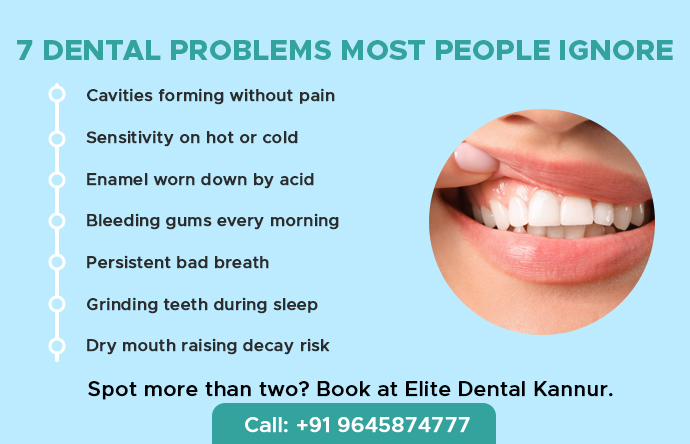
    7-dental-problems-most-people-ignore

    What Other Dental Problems Are Associated with Teeth and Gums?

    Teeth grinding, bad breath and dry mouth are the m,ost common 3 conditions that affect a lot of people, often for years, without anyone connecting them to a dental cause.

    • Bad Breath (Halitosis)

    Mouthwash helps for an hour. Then the bad breath is back. It doesn’t fix the source.

    Bad breath comes from two places. The first is bacteria on the tongue and between teeth breaking down food. The second is active gum disease, where infected tissue produces a constant smell.

    • Bruxism (Teeth Grinding)

    Most people who grind their teeth at night don’t know they do it. They find out when a dentist notices the wear patterns: flat biting edges, small chips, enamel worn thin where grinding happens.

    By then, months of enamel are already gone. Enamel doesn’t come back.

    • Dry Mouth (Xerostomia)

    Saliva does more than keep the mouth comfortable. It neutralises acid, clears food particles, and delivers minerals that protect enamel. Without enough of it, teeth and gums become much more vulnerable to decay and infection.

    The most common cause is medication. Antihistamines, antidepressants, and blood pressure drugs are the usual culprits.

    Which Symptoms of Teeth and Gum Problems Should You Never Ignore?

    Six signs that mean a visit to the best dental clinic in Kannur this week, are:

    • Swelling around a tooth or jaw
    • Gums that bleed every time you brush
    • Pain when biting
    • A tooth that feels loose
    • Sensitivity that lingers after the trigger is gone
    • Visible pus or a bump on the gum

    Go in within 48 hours. Most people with serious dental problems say the same thing when they finally come in: they noticed something weeks ago and waited. The condition that was a filling then is a root canal now.

    How Can You Prevent Common Teeth and Gum Problems Before They Start?

    Most common teeth and gum problems are preventable with just 4 habits, done consistently, before they need treatment. These are:

    • Brush twice a day with fluoride toothpaste. Two minutes each time.
    • Floss every day. One minute of flossing removes the plaque that causes most gum problems.
    • Cut down how often you have sugar or fizzy drinks. Frequency matters more than quantity.
    • Get a professional clean every six months. A clean catches early decay before it needs anything more than a small filling.

    Book Your Appointment at Elite Dental Studio Kannur

    If any of these dental problems sounds familiar, earlier is better. A cavity caught today is a 20-minute filling. The same cavity in three months may need a root canal.

    At Elite Dental Studio, a dental clinic in Kannur uses an intraoral camera that shows you exactly what the dentist sees, on screen, in real time. Dr. Akash K Babu, MDS Periodontics and Laser Specialist, handles gum disease cases using BioLase laser treatment, providing less discomfort, faster healing, and no scalpel for most soft tissue procedures. In-house OPG digital radiography means full-mouth X-rays are also done on the same visit.

    Since 2020, Elite Dental Studio has treated over 100,000 patients across Calicut, Kochi, Kannur, and Coimbatore. To get a full clinical examination done call: +91 9645874777

    Frequently Asked Questions

    What causes gums to bleed every time I brush my teeth?

    Bleeding gums are the first sign of gingivitis, an inflammation caused by plaque at the gumline. It’s not from brushing too hard. At this stage it’s fully reversible. Left alone, it progresses to periodontitis, where the bone loss is permanent.

    Is tooth sensitivity always a sign of a serious dental problem?

    Tooth sensitivity is always a signal. Brief sensitivity on cold or sweet food usually points to enamel wear or an early cavity. That needs a clinical check.

    Can early-stage gum disease be reversed without treatment?

    Gingivitis is fully reversible with a professional clean up and home care. But periodontitis, where bone loss has started, is not reversible. The Treatment can only stop the further damage .

    How do I know if I have a dental abscess or just a toothache?

    A toothache is pain in a tooth. An abscess involves infection: throbbing pain, visible swelling of the face or gum, fever, foul taste. If two or more of those are present alongside the pain, go in within 48 hours.

    How often should I visit the dentist if my teeth feel fine?

    Every six months. Cavities and early gum disease are both painless at the start. By the time something hurts, what was a simple fix is usually a significant one.

  • Top Foods For Strong Teeth and Gums

    You’ve heard the phrase “You are what you eat.” But have you ever considered how it applies to your teeth and gums?

    Dental care is more than just brushing, flossing, and visiting your dentist. A major part of maintaining excellent oral health starts with your plate. Your daily food choices can directly affect how strong your teeth are, how healthy your gums stay, and how confident your smile looks over time.

    At Elite Dental Studio, your trusted dental clinic in Calicut and home to the best dentist in Kannur, we believe great oral health begins with the right diet. Beyond dental treatments, we guide our patients to make smart food choices that naturally strengthen teeth and gums.

    This guide highlights the top foods for strong teeth and gums, helping you support enamel, fight bacteria, and boost gum health—right from your plate.

    1. Crunchy Fruits and Vegetables: Nature’s Toothbrush

    Examples: Apples, carrots, celery, cucumber, bell peppers
    Benefit: Cleans plaque, stimulates saliva production, strengthens enamel

    Crunchy, fibrous fruits and vegetables do more than satisfy hunger. Their coarse texture scrubs the surface of your teeth, almost like a natural toothbrush, helping to reduce plaque and food particles. They also stimulate saliva production, which helps neutralize harmful acids.

    Pro Tip: Pack a few carrot sticks or apple slices in your lunch. It’s a smart snack that freshens breath and protects enamel.

    2. Dairy Products: Calcium-Packed Enamel Protectors

    Examples: Milk, cheese, yogurt (unsweetened), paneer
    Benefit: High in calcium and phosphates, helps remineralize enamel

    Dairy is your smile’s best friend. Calcium and phosphorus found in milk and cheese are vital for rebuilding enamel. Cheese, in particular, raises the pH level in your mouth, lowering the risk of tooth decay.

    Local Note: Kerala’s traditional use of fresh curd and paneer makes it easy to incorporate these benefits into everyday meals.

    3. Leafy Greens: Vitamin-Rich Gum Supporters

    Examples: Spinach, kale, amaranth (cheera), drumstick leaves
    Benefit: Rich in vitamins A and C, folic acid, and calcium – all essential for gum health

    These nutritional powerhouses offer vitamins and minerals that support healthy gum tissue, prevent inflammation, and help with cell regeneration. They’re also low in calories, making them a great addition to any diet.

    Pro Tip: Add a handful of spinach to your dosa batter or sneak kale into smoothies for your kids.

    4. Nuts and Seeds: Micro-Mineral Boosters for Teeth

    Examples: Almonds, sesame seeds, walnuts, chia seeds
    Benefit: Loaded with calcium, magnesium, phosphorus, and healthy fats

    Nuts and seeds offer a crunchy, satisfying way to strengthen your teeth. Sesame seeds, for instance, help scrub plaque off teeth while delivering a strong dose of calcium.

    5. Fatty Fish and Eggs: Vitamin D for Stronger Absorption

    Examples: Sardines, salmon, mackerel, eggs (especially yolk)
    Benefit: Supports calcium absorption and reduces inflammation in gums

    Vitamin D is essential for your body to properly absorb calcium. Including fatty fish in your diet can help build strong jawbones and keep your gums from becoming inflamed or infected.

    Kerala Tip: Sardines and mackerel (netholi, ayala) are common in coastal diets, making this an easy and natural oral health booster.

    6. Green Tea and Herbal Teas: Anti-Bacterial Oral Defense

    Examples: Green tea, clove tea, turmeric tea
    Benefit: Contains antioxidants and polyphenols that fight plaque and bacteria

    Green tea has natural compounds that reduce oral bacteria and improve overall dental health. Clove and turmeric teas are known for their anti-inflammatory and antibacterial properties, which support gum health.

    7. Water: The Most Underrated Dental Ally

    Drinking plenty of water helps rinse away food particles, keep your mouth hydrated, and maintain saliva production. Saliva is crucial for neutralizing acids and protecting tooth enamel.

    Pro Tip from Elite Dental Studio: Stick to fluoride-rich drinking water where possible for added cavity protection.

    What to Avoid: Foods That Harm Your Teeth and Gums

    While the right foods can strengthen your smile, the wrong ones can erode enamel, feed harmful bacteria, and irritate your gums.

    Limit these items:

    • Sugary drinks and candies
    • Sticky snacks like toffee
    • Acidic beverages (soft drinks, packaged juices)
    • Excessive coffee or black tea
    • White bread and starchy snacks

    Balanced Diet, Strong Smile: Make Nutrition Part of Your Dental Routine

    A balanced diet packed with tooth-friendly foods can significantly reduce the risk of cavities, gum disease, and oral infections.

    Here’s what a day of tooth-friendly eating might look like:

    • Breakfast: Plain yogurt with chia seeds and sliced apple
    • Lunch: Rice with spinach curry, curd, and grilled fish
    • Snack: Handful of almonds and a cup of green tea
    • Dinner: Mixed vegetable soup with paneer and whole-grain roti

    When Diet Isn’t Enough: Schedule a Check-Up

    While food can support strong teeth and healthy gums, it’s not a substitute for professional dental care. If you’re experiencing sensitivity, gum bleeding, or discoloration, don’t wait for the problem to get worse.

    At Elite Dental Studio, we blend modern dental techniques with a compassionate approach to help you maintain the best oral health possible. Whether you’re looking for preventive care, cosmetic solutions, or gum treatments, our experienced team is here to help.

    Why Choose Elite Dental Studio?

    • Trusted dental clinic in Calicut
    • Home to the best dentist in Kannur for family and cosmetic dentistry
    • Advanced technology and patient-first care
    • Personalized dietary advice for oral health

    Final Thoughts: Feed Your Smile Right

    Strong teeth and healthy gums start in the kitchen. By choosing the right foods and avoiding harmful habits, you can support a lifetime of confident smiles.

    Elite Dental Studio encourages you to be mindful of your diet and to partner with professionals who care about your total oral health.

    Ready to upgrade your dental care? Schedule your consultation today with Elite Dental Studio – your trusted partner in smile wellness.

    Frequently Asked Questions:

    Can food really make a difference in my gum health?

    Yes! Foods rich in vitamin C, antioxidants, and anti-inflammatory compounds can support gum regeneration and reduce inflammation.

    Is cheese better than milk for strong teeth?

    Both are beneficial, but cheese helps neutralize acid in the mouth faster, making it slightly more protective.

    What local Kerala foods are good for dental health?

    Leafy greens like cheera, curd, sardines, and coconut-based dishes are all rich in nutrients that support oral health.

    How often should I visit a dentist even if I eat healthy?

    A healthy diet helps, but regular dental check-ups (twice a year) are essential for early detection of issues.

    Can children follow this tooth-friendly diet too?

    Absolutely. Just ensure portions and textures are age-appropriate, and encourage snacking on fruits, nuts, and dairy.

  • Gum Disease: Stages, Symptoms, and Treatments

    Gum disease, often overlooked until it causes significant damage, is one of the most common yet preventable oral health issues worldwide. Understanding gum disease stages, recognizing its symptoms, and knowing the available gum disease treatments are vital for maintaining lifelong oral health.

    Whether you’re a professional, an influencer, a model or simply someone who cares about dental wellbeing, this guide dives deep into the science and care of gum disease, equipping you with practical knowledge. Plus, it subtly highlights why choosing the right care provider, like Elite Dental Studio, a trusted dental clinic in Calicut, is essential to keep your gums healthy.

    What Is Gum Disease?

    Gum disease, also known as periodontal disease, is an inflammatory condition affecting the tissues surrounding the teeth, primarily caused by bacterial infection. It ranges from mild gum inflammation (gingivitis) to severe damage affecting the bone that supports teeth (periodontitis).

    If left untreated, it can lead to tooth loss, impacting not just your smile but also overall health, as recent studies link periodontal disease with systemic issues such as cardiovascular disease and diabetes.

    Gum Disease Stages, Symptoms, Treatments

    Understanding Gum Disease Stages

    Gum disease progresses through several distinct stages. Early detection at any stage improves the prognosis and can prevent irreversible damage.

    1. Gingivitis – The Initial Stage

    • What happens: Bacteria build-up along the gum line causes inflammation.
    • Symptoms: Red, swollen gums that may bleed during brushing or flossing but no pain yet.
    • Reversibility: Fully reversible with good oral hygiene and professional cleaning.

    2. Early Periodontitis

    • What happens: Inflammation spreads below the gum line causing pockets between teeth and gums to form. Bone loss may begin.
    • Symptoms: Persistent bad breath, gum recession, bleeding gums, and slight discomfort.
    • Treatment: Requires professional cleaning and possible antibiotics.

    3. Moderate Periodontitis

    • What happens: Pockets deepen and more bone loss occurs, leading to tooth mobility.
    • Symptoms: Increased gum bleeding, tenderness, gum recession, and tooth sensitivity.
    • Treatment: Scaling and root planing, possibly more frequent dental visits.

    4. Advanced Periodontitis

    • What happens: Significant bone loss leads to loose teeth and possible tooth loss.
    • Symptoms: Severe pain, gum abscesses, pus discharge, and noticeable tooth mobility.
    • Treatment: May require surgical intervention or tooth extraction in severe cases.

    Key Gum Disease Symptoms to Watch For

    Recognizing gum disease symptoms early can save your teeth and reduce the need for invasive treatments.

    • Red, swollen gums
    • Bleeding while brushing or flossing
    • Persistent bad breath (halitosis)
    • Gum recession exposing tooth roots
    • Loose or shifting teeth
    • Pain or tenderness in gums
    • Pus discharge between teeth and gums
    • Changes in bite or how teeth fit together

    If you experience any combination of these symptoms, it’s crucial to consult a dental professional promptly.

    Why Do Gum Diseases Occur? Key Risk Factors

    Understanding risk factors helps in both prevention and targeted treatment strategies:

    • Poor oral hygiene
    • Tobacco use (smoking or chewing)
    • Genetic predisposition
    • Chronic illnesses such as diabetes
    • Hormonal changes (pregnancy, menopause)
    • Certain medications causing dry mouth or gum overgrowth
    • Stress, which can impair immune response
    • Poor nutrition

    Gum Disease Treatments: A Comprehensive Overview

    The choice of treatment depends on the stage of gum disease. Early intervention ensures minimal disruption, while advanced stages require specialized care.

    Non-Surgical Treatments

    • Professional Dental Cleaning: Removal of plaque and tartar to reverse gingivitis.
    • Scaling and Root Planing: Deep cleaning to remove tartar below the gum line and smooth root surfaces for healing.
    • Antibiotic Therapy: Topical or systemic antibiotics to reduce bacterial infection.

    Surgical Treatments

    • Flap Surgery: Lifting gums to clean deep pockets and secure tissue back in place.
    • Bone and Tissue Grafts: To regenerate lost bone or gum tissue around teeth.
    • Guided Tissue Regeneration: Stimulates regrowth of bone and gum tissue.
    • Laser Therapy: Minimally invasive treatment to reduce bacteria and inflamed tissue.

    Best Practices to Prevent Gum Disease

    • Maintain consistent oral hygiene: brush twice daily and floss daily.
    • Use an antiseptic mouthwash to reduce plaque.
    • Schedule regular dental checkups and cleanings.
    • Avoid tobacco products completely.
    • Manage systemic conditions like diabetes effectively.
    • Maintain a balanced diet rich in vitamins C and D.
    • Stay hydrated to prevent dry mouth.

    Choosing the Right Dental Clinic for Gum Disease Treatment

    Seeking treatment at a reputed dental clinic in Calicut like Elite Dental Studio ensures access to expert care, state-of-the-art technology, and personalized treatment plans. Whether you need routine cleaning or advanced periodontal surgery, a trusted dentist can make the difference between tooth preservation and loss.

    The best dentist in Kochi or Calicut understands that every patient’s condition is unique. They tailor treatments based on clinical findings, patient history, and lifestyle factors, ensuring the best outcomes with minimal discomfort.

    Protect Your Smile by Understanding Gum Disease! 

    Gum disease stages progress from mild inflammation to severe tissue and bone damage if untreated. Recognizing gum disease symptoms early and pursuing timely gum disease treatments is essential for dental and overall health. Preventive care combined with professional dental interventions ensures lasting oral wellbeing.

    For those seeking expert periodontal care, Elite Dental Studio offers comprehensive services with a patient-centric approach in Calicut. Their experienced team and advanced technology provide confidence in managing every stage of gum disease effectively.

    Your gums are the foundation of a healthy smile — don’t wait for symptoms to worsen. Stay informed, stay proactive, and consult the best for your oral health care.