Category: blogs

  • Healing the Tongue Frenulum: How Long Does It Take to Recover?

    The tongue frenulum is a small tissue band beneath the tongue that supports movement and speech. A sore or injured tongue frenulum can be surprisingly uncomfortable. Whether due to accidental biting, trauma, irritation from braces, dental appliances or sharp foods, oral habits, or a surgical procedure like a frenectomy, healing the tongue frenulum can take time, care, and patience.

    So, how long does it take to recover? Typically, healing from tongue frenulum takes about 1 to 2 weeks for minor injuries and 2 to 4 weeks post-surgery. But healing can vary based on your oral health, age, and aftercare practices.

    If you’re looking to understand how to recover tongue frenulum properly and what to expect during the healing journey, read the sections below. We break down the stages, timeline, and essential aftercare steps to guide you toward a smoother recovery.

    Tongue Frenulum Healing Time: What to Expect

    Wondering how long it takes to recover from tongue frenulum. Here are the clear answers!

    Stage Time Frame What Happens
    Inflammation Day 1–3 Redness, swelling, and sensitivity
    Tissue Formation Day 3–7 New tissue begins forming
    Strengthening Phase Week 2–3 Tissue strengthens, mobility improves
    Full Recovery Week 3–4 Minimal discomfort, full tissue regeneration


    Each stage should show continuous improvement. If progress halts or reverses, it could be an indicator of poor aftercare, infection, or abnormal tissue growth.

    1. Healing from Minor Injury or Tear

    • Recovery Time: 5 to 10 days.
    • Symptoms: Soreness, swelling, or a small cut.
    • Care Tips: Rinsing with warm salt water, avoiding spicy or hot foods.

    Minor injuries often go unnoticed until they begin causing pain during eating or speaking. If detected early and treated conservatively, they usually resolve without medical intervention. However, deep or recurring injuries may require clinical assessment to rule out underlying conditions.

    2. Healing from Frenectomy Procedure

    • Recovery Time: 2 to 4 weeks (varies based on technique: scalpel, laser, or scissors).
    • Initial Healing: 3 to 5 days with visible improvement.
    • Complete Tissue Regeneration: Up to 4 weeks.

    A frenectomy is a quick outpatient procedure, but recovery must be handled thoughtfully. Proper healing ensures the tongue regains its full range of motion and avoids scar formation that can re-restrict movement.
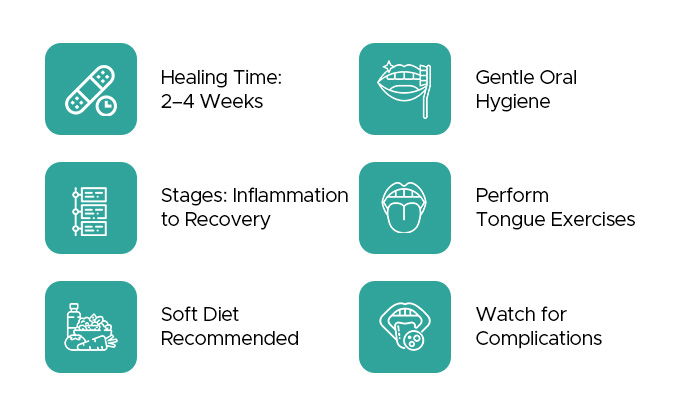
    tongue frenulum healing time

    Factors That Affect Tongue Frenulum Healing Time

    Tongue frenulum healing time varies from person to person. Here are the list of factors affecting the same –

    1. Age and General Health

    Children and young adults typically heal faster due to robust tissue regeneration. Elderly patients or individuals with systemic issues such as diabetes may experience slower healing.

    2. Type of Procedure or Injury

    The use of a laser in frenectomy offers a cleaner cut and less bleeding, which usually results in quicker recovery. In contrast, traditional scissors or scalpel techniques may cause more discomfort and longer healing duration.

    3. Oral Hygiene Practices

    Post-procedure care is critical. Daily rinsing with antiseptic solutions or saline water reduces infection risk, especially during the first week. Neglect can lead to swelling, pus formation, or even delayed wound healing.

    4. Nutritional Support

    Proper diet post-injury accelerates recovery. Nutrients that play a key role include:

    • Vitamin C: Boosts collagen production and immunity.
    • Zinc: Supports cell repair and reduces inflammation.
    • Protein: Rebuilds damaged tissue.
    • Iron: Aids oxygen delivery to healing tissues.

    Avoiding sugary and acidic foods is equally important as these can hinder healing or increase the risk of secondary infections.

    How to Recover Tongue Frenulum: Best Practices

    Recovering from a frenectomy or tongue frenulum injury isn’t just about rest — it’s about active care. Follow these expert tips for faster healing and long-term recovery:

    Immediate Post-Injury or Post-Procedure Care

    • Cold compress: Place under the chin for 10-15 minutes to reduce swelling.
    • Pain relief: Use doctor-recommended painkillers if necessary.
    • Soft diet: Stick to mashed potatoes, smoothies, soups, and yogurt for the first few days.
    • Gentle cleaning: Avoid aggressive brushing. Use antiseptic mouthwash if prescribed.

    Tongue Mobility Exercises

    After a frenectomy, targeted exercises ensure the tongue regains full function. These exercises should be practiced 2-3 times a day:

    • Tongue Elevation: Touch the roof of your mouth with the tip of your tongue.
    • Side Glides: Move tongue side to side touching the upper molars.
    • Resistance Pushes: Push the tongue against a depressor or clean finger.

    These may seem minor but significantly influence speech development, especially in children. Lack of exercise can lead to reattachment or scar-induced limitations.

    Long-Term Care

    Long after the initial healing, maintenance is crucial to ensure no re-injury or recurring inflammation. Tips include:

    • Routine dental checkups: Early identification of abnormalities.
    • Hydration: Dryness can impede oral healing. Drink plenty of water daily.
    • Lifestyle choices: Avoid smoking or chewing tobacco, both of which delay healing.
    • Speech therapy: If tongue function remains compromised, especially in children, consider therapy for proper articulation.

    Signs of Complications During Tongue Frenulum Recovery to Watch For

    Even with appropriate care, healing may not always follow a straight path. Warning signs include:

    • Persistent pain beyond 10 days.
    • Bleeding or oozing from the wound site.
    • Swelling that worsens after day 3.
    • White or yellow discharge indicating possible infection.
    • Difficulty swallowing or speech deterioration.

    In such cases, it’s important to immediately consult a certified dental clinic in Calicut or a dental clinic in Kochi for a proper evaluation. Professional intervention ensures timely treatment before the complication escalates.

    The Importance of Professional Follow-Up

    Recovery is not just about time. It’s about the quality of healing. Follow-up appointments serve multiple purposes:

    • Monitoring tissue growth and detecting irregularities.
    • Evaluating tongue mobility and speech clarity.
    • Ensuring exercises are being done properly.
    • Preventing future reattachments or scar limitations.

    A trusted dental provider can also make adjustments to your care plan. Elite Dental Studio provides holistic recovery support after surgical or accidental injuries involving the frenulum. Their personalized attention to post-treatment follow-ups ensures patients regain complete oral functionality.

    Book Your Appointment Now!

    Healing the tongue frenulum is a multi-phase journey. Whether it’s a minor injury or a surgical correction like frenectomy, the healing process demands patience, proper hygiene, and commitment to aftercare routines. While many cases recover in a few weeks, neglecting signs or skipping exercises can delay healing or lead to relapse.

    Consulting professionals early ensures a seamless recovery. Clinics like Elite Dental Studio bring a compassionate and expert approach to oral surgeries and recovery support, guiding patients through every phase with personalized care.

    If you’re in discomfort or uncertain about your tongue’s frenulum healing progress, don’t wait.

    Book Your Appointment with our expert dentists in Kochi, Calicut or Kannur now!

    Frequently Asked Questions

    How long does it take for the tongue frenulum to heal after a frenectomy?

    Ans. Recovery typically takes 2 to 4 weeks, depending on the surgical technique and post-care routine.

    Can a torn tongue frenulum heal on its own?

    Ans. Yes, minor tears usually heal within 5 to 10 days without medical intervention, but deeper injuries may require professional care.

    What foods should I avoid during the healing process?

    Ans. Avoid spicy, acidic, crunchy, and hot foods for at least 5 days post-injury or surgery.

    Do I need to perform exercises after a frenectomy?

    Ans. Yes, tongue mobility exercises are essential to prevent scar tissue and restore full range of motion.

    Is swelling normal after frenulum surgery?

    Ans. Mild swelling and soreness are normal for the first 2–3 days. Persistent or worsening symptoms should be evaluated by a dentist.

  • What is the Right Age and Stage to Opt for Braces?

    Braces have become a common, highly effective solution for straightening teeth, correcting misalignments, and achieving a healthy, confident smile. But when is the right age to start this journey? Let’s explore the ideal age and stages to opt for braces, why timing matters, and what you can expect along the way.

    Why Timing Matters in Orthodontic Treatment?

    Orthodontic treatments are designed to correct bite and alignment issues, which can affect not only one’s appearance but also oral health. Identifying the best age for braces can make the treatment easier, faster, and more effective.

    The timing of getting braces generally depends on individual growth patterns and the condition of a child’s teeth. While braces can be effective at any age, starting at the optimal stage can significantly enhance results and reduce treatment time. For parents searching for an “orthodontic clinic near me” or those seeking “orthodontic treatment near me,” understanding the ideal age for braces can help make more informed decisions for their children.

    What is the Right Age to Get Braces?

    The right age to get braces often varies depending on the dental development of each individual. Here’s a general guide:

    • Early Childhood (Ages 7-10): The American Association of Orthodontists recommends that children should have their first orthodontic evaluation by age 7. At this age, an orthodontist can identify any early issues in the alignment of the teeth or jaw growth. Early intervention can prevent more serious issues in the future, though children in this age group usually don’t need full braces yet.
    • Pre-Teens and Teens (Ages 11-14): This age is considered the best age to get braces for kids. By age 11 to 14, most permanent teeth have come in, and the mouth is still growing, making it the ideal stage for braces. Orthodontists can correct misalignments and guide the teeth into proper positions more efficiently when a child is still in the developmental phase. For parents looking for the “best orthodontist in Kochi” or “best orthodontist in Calicut,” this is the prime time to start their child’s orthodontic journey.
    • Adulthood (Ages 18 and Above): Braces aren’t just for kids and teens. Adults can also benefit greatly from orthodontic treatment. Although the jaw has stopped growing, today’s advanced options make braces a viable and effective solution for adults as well. For those searching for “best orthodontist in Kannur” or other areas, know that braces can improve both the appearance and functionality of teeth at any age.

    Types of Braces Available:

    When it comes to braces, there’s no one-size-fits-all solution. Here are the common types of braces that orthodontic clinics offer, including the benefits they bring to different age groups:

    1. Metal Braces: Known as the traditional braces, metal braces are effective and suitable for all ages. They’re commonly chosen for younger patients who don’t mind the visible brackets and wires, and they’re often the most affordable option.
    2. Ceramic Braces: These braces function like metal braces but are less noticeable, making them popular among teens and adults. Ceramic braces blend with natural teeth and offer an aesthetic alternative to metal braces.
    3. Clear Aligners: An ideal option for adults or older teens, clear aligners are virtually invisible and removable, making it easier to maintain oral hygiene. Invisalign is a well-known brand for clear aligners, but always check with your “orthodontic dental clinic” to see which options are available.
    4. Lingual Braces: These braces are placed behind the teeth, making them invisible from the front. Lingual braces are customized for each patient and are a popular option for adults seeking discretion in their orthodontic treatment.

    Age Limit for Braces:

    While there is no strict age limit for braces, certain factors make some ages more suitable for specific types of braces. The pre-teen to teen years are ideal because of ongoing jaw development, but adults can still achieve great results with braces.

    For those looking for an “orthodontic clinic near me” for themselves or their children, it’s worth noting that many orthodontic clinics offer free consultations to determine the best treatment based on age, dental condition, and goals.

    Key Benefits of Starting Orthodontic Treatment at the Right Age:

    1. Faster Results: Early treatment during the optimal growth stages often leads to quicker, more effective results.
    2. Preventive Measures: Identifying alignment issues early can prevent more complex dental issues, reducing the likelihood of future dental treatments.
    3. Improved Oral Health: Proper alignment reduces risks of plaque buildup and gum disease, leading to a healthier smile.
    4. Boosted Confidence: For young patients, addressing dental issues early can significantly improve self-confidence during crucial developmental years.

    Signs That Your Child May Need Braces:

    Knowing when to see an orthodontist is essential. Here are some indicators that your child might benefit from braces:

    • Early or late loss of baby teeth
    • Crowded, overlapping, or crooked teeth
    • Difficulty chewing or biting
    • Frequent mouth breathing
    • Jaw shifts or sounds
    • Thumb-sucking beyond age 5

    If your child exhibits any of these signs, it’s wise to consult an “orthodontic treatment near me” to determine if braces are a good fit.

    Choosing the Right Orthodontic Clinic:

    For residents in areas like Kochi, Calicut, or Kannur, finding the best orthodontist can make a significant difference in your experience and results. Look for clinics that offer a variety of options, flexible payment plans, and a comfortable, child-friendly atmosphere. Elite Dental Studio, for example, offers advanced orthodontic solutions tailored to individual needs.

    Conclusion: Investing in a Confident Smile

    Deciding on the right age and stage for braces is a crucial choice that can set your child or even yourself on a path toward better oral health and self-confidence. The journey to a straighter smile doesn’t have to be daunting. With the help of the best orthodontists in places like Calicut, Kochi, and Kannur, you can trust that you’re in good hands.

    At Elite Dental Studio, we understand the importance of personalized orthodontic care at every age and stage. Our expert team is here to make your journey to a healthier, more confident smile as seamless as possible. Ready to start? Contact us today to schedule a consultation and take the first step toward your best smile yet!

    Frequently Asked Questions:

    What is the best age to get braces for kids?

    Ans. The best age to get braces for kids is typically between 11 and 14 years old when most of the permanent teeth have emerged.

    Is there an age limit for braces?

    Ans. No, there is no strict age limit for braces. Many adults also benefit from orthodontic treatment.

    How can I find an orthodontic clinic near me?

    Ans. To find an orthodontic clinic near you, search for terms like “orthodontic dental clinic” or “best orthodontist in Calicut, Kochi, or Kannur.”

    What types of braces are available for different ages?

    Ans. Metal braces, ceramic braces, clear aligners, and lingual braces are available for different ages. Each option offers unique benefits based on age and lifestyle preferences.

    Why is it important to get an orthodontic consultation early?

    Ans. An early consultation helps detect potential alignment issues, allowing for preventive treatments and ensuring a healthier, straighter smile as the child grows.

  • Expert Tips for Children’s Oral Health

    Ensuring good oral health for children is crucial for their overall well-being. Healthy dental habits from a young age can prevent cavities, gum disease, and other dental issues that may arise later. In this guide, we share expert tips on how to maintain children’s oral health, covering the essentials of oral hygiene for kids, child dental care tips, and answers to common questions. Let’s dive in to help your child achieve a bright, healthy smile!

    Why Oral Health Matters for Kids?

    Oral health is often overlooked, but for children, it’s especially important. Developing healthy dental hygiene habits early can set the foundation for a lifetime of good oral health. Strong oral habits help prevent cavities, avoid painful dental problems, and even contribute to overall physical health. Visiting a pediatric dentist near me regularly can help monitor your child’s oral health and detect any issues early on.

    Key Tips for Maintaining Children’s Oral Health:

    Here are essential tips to help you maintain child oral health and instill lifelong habits for a healthy mouth.

    1. Start Early with Dental Hygiene for Kids:

    Oral hygiene for kids begins even before the first tooth appears. Gently clean your baby’s gums with a damp, soft cloth. Once the first tooth erupts, start brushing gently with a soft-bristled toothbrush. By age two, children can begin using a pea-sized amount of fluoride toothpaste, with supervision to ensure they don’t swallow it.

    2. Teach Proper Brushing Techniques:

    For effective brushing, teach your child to brush at least twice a day, ideally after breakfast and before bed. Make sure they’re brushing for two minutes, reaching all areas of the mouth. Using a timer or playing a two-minute song can make brushing time more enjoyable. Regular brushing is key for maintaining child oral health, and proper technique is essential in removing plaque and preventing decay.

    3. Limit Sugary Foods and Drinks:

    Sugary foods and drinks can cause cavities, especially in young children. Limiting sugary snacks and encouraging water or milk over soda can significantly help prevent tooth decay. For added protection, opt for tooth-friendly snacks like fruits, vegetables, and cheese, which help to maintain a clean and healthy mouth.

    4. Encourage Regular Dental Check-ups:

    Regular visits to a kids dentist near me are important for preventive care and to catch any issues early. Pediatric dentists specialize in children’s dental care and know how to make dental visits comfortable and fun. Starting check-ups early will help your child feel at ease with dental visits and can prevent anxiety as they grow.

    5. Make Flossing a Daily Habit:

    Flossing is essential for cleaning between teeth and removing plaque that brushing alone can’t reach. Start flossing once your child’s teeth touch, and help them learn the correct technique. By teaching them to floss daily, you’re promoting a habit that will protect their teeth and gums for years to come.

    Importance of Finding the Right Pediatric Dentist: 

    A qualified pediatric dentist is specially trained to handle children’s unique dental needs. Not only do they provide routine care, but they also help educate children about dental hygiene in a friendly manner. For parents in Kerala, a pediatric dentist in Kannur or a pediatric dentist in Calicut offers a convenient and specialized option for children’s oral care.

    Visiting a best pediatric dentist near me ensures your child receives expert attention in a child-friendly environment. Pediatric dentists also provide advice tailored to your child’s needs, helping you establish a dental care routine that fits their lifestyle and health needs.

    Tips for Making Oral Hygiene Fun for Kids:

    Sometimes, getting kids excited about oral hygiene can be a challenge. Here are some strategies to make dental care enjoyable:

    • Use colorful, fun toothbrushes featuring their favorite characters or colors.
    • Introduce brushing apps or songs to keep track of the two-minute brushing time.
    • Create a reward system to encourage consistent brushing and flossing habits.
    • Brushing together – setting an example can make a big difference in how children view dental care.

    Encouraging a positive attitude toward dental hygiene for kids not only keeps their mouths healthy but also sets the tone for lifelong oral health.

    Benefits of Good Oral Hygiene for Kids:

    Good oral hygiene for kids goes beyond a healthy smile. Here are some added benefits:

    • Prevention of cavities and gum disease: Regular brushing, flossing, and professional cleanings prevent plaque build-up, which is the leading cause of cavities and gum disease.
    • Improved self-esteem: A bright, healthy smile can enhance a child’s confidence, encouraging them to smile more often and feel good about themselves.
    • Better overall health: Oral health is linked to overall health. Poor dental hygiene can lead to infections that may affect other parts of the body.

    Starting young with proper dental care can protect your child from numerous dental issues and lead to a healthier future.

    Conclusion!

    Maintaining your child’s oral health is essential for their well-being, self-confidence, and overall health. By following these expert tips on oral hygiene for kids and child dental care tips, you can lay the foundation for a lifetime of healthy smiles. Start with simple daily routines, regular dental check-ups, and teach your child to prioritize their dental hygiene.

    At Elite Dental Studio, we understand the importance of quality dental care for children. Our team of friendly and experienced professionals is here to guide you every step of the way, providing expert care in a warm and welcoming environment. Interested in learning more? Schedule a visit to give your child the best start on their oral health journey!

    What’s your top priority for your child’s oral health? Let us know in the comments below – we’d love to hear your thoughts!

    Frequently Asked Questions: 

    How often should my child visit the dentist?

    It’s recommended to take your child for a dental check-up every six months. Regular visits help monitor their oral health and address issues early on.

    At what age should I start brushing my baby’s teeth?

    Begin brushing your baby’s teeth as soon as the first tooth appears, usually around six months of age, using a soft-bristled toothbrush and a tiny smear of toothpaste.

    How can I find the best pediatric dentist near me?

    Search for reputable pediatric dentists, such as a pediatric dentist in Kannur or pediatric dentist in Calicut. Look for specialists with experience in treating children in a friendly, welcoming environment.

    Is fluoride toothpaste safe for children?

    Yes, fluoride toothpaste is safe for children over the age of two, as long as it is used in small, pea-sized amounts and with supervision to ensure they don’t swallow it.

    How can I prevent my child from developing cavities?

    Encourage regular brushing and flossing, limit sugary snacks, and schedule regular dental check-ups. Teaching good habits early on can help prevent cavities.

  • Who Is An Orthodontist? What They Do And What Conditions Do They Treat?

    Who Is An Orthodontist?

    When you think of a perfect smile, an orthodontist often plays an important role in making that dream a reality. An orthodontist is a dental specialist trained to diagnose, prevent, and correct misaligned teeth and jaws. Orthodontic treatment can address a variety of dental issues, improving both the appearance and functionality of your teeth. Let’s dive deeper into the role of an orthodontist, the treatments they offer, and the conditions they can treat.

    dental conditions does an orthodontist treat

    Understanding the Role of an Orthodontist

    An Orthodontist is a dental professional who specializes in correcting improperly positioned teeth and jaws and misaligned bite patterns. They also help in preventing, managing and repairing these conditions. They undergo additional training beyond dental school to acquire expertise in managing tooth movement and guiding facial development. The role of an orthodontist involves more than just straightening teeth; they also deal with dentofacial orthopedics, which helps in modifying facial growth. .

    What Does an Orthodontist Do?

    The primary function of an orthodontist is to design and implement treatment plans to correct dental and facial irregularities. Here are some key tasks they perform:

    1. Diagnosis: Orthodontists use clinical exams, X-rays, and other diagnostic tools to identify your dental issues.
    2. Treatment Planning: They develop customized treatment plans to address specific problems.
    3. Appliance Selection: Orthodontists choose and fit dental appliances like braces, aligners, and retainers.
    4. Monitoring Progress: Regular check-ups are conducted to monitor the progress of treatment and make necessary adjustments.

    What Are The Most Popular Orthodontic Treatments?

    Orthodontic treatments are designed to correct various dental issues. Some of the most popular treatments include:

    1. Braces

    Braces are the most traditional and effective method for straightening teeth. They consist of metal brackets and wires that apply continuous pressure to move teeth into the desired position over time. Modern braces are more comfortable and less noticeable than ever before.

    2. Invisalign

    Invisalign is a popular alternative to traditional braces. It uses a series of clear, removable aligners to gradually shift teeth into place. Invisalign is virtually invisible, making it a preferred choice for adults and teenagers who want a discreet option.

    3. Retainers

    Retainers are custom-made devices worn after braces or Invisalign treatment to maintain the new position of your teeth. They can be removable or fixed and are essential for preventing teeth from shifting back to their original positions.

    4. Palatal Expanders

    Palatal expanders are used to widen the upper jaw to create more space for teeth alignment. This treatment is often used in children to address issues early and prevent more severe problems later on.

    If you are looking for any of the above treatments or want to enhance your smile with the expert care of the best orthodontist in Kannur, keep reading to find out the conditions they treat and the importance of finding the right clinic.

    What Dental Conditions Does an Orthodontist Treat?

    Orthodontists treat a wide range of dental and facial irregularities. Here are some common conditions that may require orthodontic intervention:

    1. Crowded Teeth

    Crowded teeth occur when there isn’t enough space in the jaw for all teeth to fit properly. This can lead to overlapping and misaligned teeth. Braces or Invisalign can effectively treat crowded teeth by gradually moving them into the correct position.

    2. Overbite

    An overbite is when the upper front teeth overlap significantly with the lower front teeth. This can cause issues with chewing and speaking, and may also lead to gum problems. Orthodontic treatment can realign the teeth and jaws to correct an overbite.

    3. Underbite

    An underbite is the opposite of an overbite, where the lower front teeth push outward over the upper front teeth. This condition can affect facial aesthetics and functionality. Treatment often involves braces or, in severe cases, surgery is done.

    4. Crossbite

    A crossbite occurs when some of the upper teeth sit inside the lower teeth when biting down. This can cause tooth wear, gum disease, and bone loss. Orthodontic treatment can correct a crossbite by repositioning the teeth.

    5. Open Bite

    An open bite is when the upper and lower teeth do not touch when the mouth is closed, leaving a gap. This can affect chewing and speech. Braces or Invisalign can help close the gap and align the teeth properly in this condition.

    The Importance of Choosing the Right Orthodontic Specialist

    When searching for an orthodontic clinic near me, it’s important to choose a clinic with experienced professionals and a good reputation. Look for clinics that offer a wide range of orthodontic treatments and have positive reviews from patients. Personalized care and modern technology are also key factors to consider.

    Orthodontists play a vital role in improving your dental health and aesthetics. From braces to Invisalign, they offer a variety of treatments to address dental issues and enhance your smile. If you’re looking for the best orthodontist in Calicut consider visiting Elite Dental Studio. Our team of experienced orthodontists is dedicated to providing high-quality care and helping you achieve the smile of your dreams. We have successfully treated over one lakh patients since our inception and are committed to the highest standards in clinic safety and hygiene, maintaining customer service, with complete focus on medical ethics and transparency. Contact us today to schedule a consultation and take the first step towards a healthier & more beautiful smile.

    FAQs

    How long does orthodontic treatment take?

    The duration of orthodontic treatment varies depending on the severity of the case and the type of treatment used. On average, treatment can last from 12 to 24 months.

    Is orthodontic treatment painful?

    While orthodontic treatment may cause some discomfort, especially after adjustments, it is generally not painful. Over-the-counter pain relievers can help manage any discomfort.

    Can adults benefit from orthodontic treatment?

    Yes, orthodontic treatment is effective for both children and adults. Age is not a barrier to achieving a beautiful, aligned smile.

    How often should I visit my orthodontist during treatment?

    Regular visits to your orthodontist are essential to monitor progress and make necessary adjustments. Typically, appointments are scheduled every 4 to 8 weeks.

    What should I do if a bracket or wire breaks?

    If a bracket or wire breaks, contact your orthodontist immediately. They will provide instructions on how to manage the issue until you can come in for a repair.

  • Dental Laser Treatments – Safe, Accurate And Effective

    Traditional dental procedures usually involve drills and scalpels, which can be scary and uncomfortable for many patients. Laser dentistry, on the other hand, uses focused light beams to treat various dental issues with greater precision and minimal discomfort. This modern approach has made dental treatments less painful, faster, and more efficient, leading to a growing preference for laser dental clinics. This blog will explore why people are choosing dental laser treatments, the benefits of laser dentistry, the conditions it can treat, and the pros and cons of laser teeth cleaning.

    benefits of laser dentistry

    Benefits of Laser Dentistry

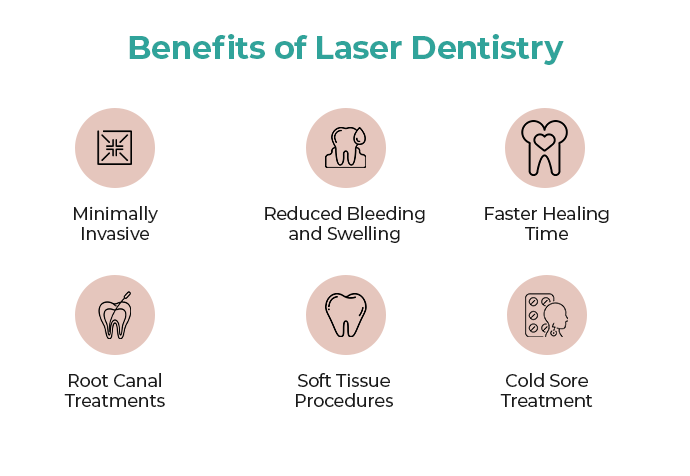
    Dental laser treatments have revolutionized the way dental procedures are performed. They are known for their precision, safety, and effectiveness. Here are some major benefits of laser dentistry:

    Minimally Invasive: One of the primary benefits of dental laser treatment is its minimally invasive nature. Lasers can target specific areas without affecting the surrounding tissues, reducing the need for incisions and stitches. This results in less pain and a quicker recovery time for patients.

    Reduced Bleeding and Swelling: Lasers help in coagulating blood vessels during procedures, which significantly reduces bleeding. The precision of laser treatments also minimizes trauma to the tissues, leading to less swelling and discomfort post-procedure.

    Faster Healing Time: Since laser treatments are less invasive, they promote faster healing. Patients can return to their normal activities sooner compared to traditional dental treatments. This is particularly beneficial for busy individuals who cannot afford long recovery periods.

    Lower Risk of Infection: The high-energy beam of the laser sterilizes the treatment area, reducing the risk of bacterial infections. This makes laser dentistry a safer option, especially for patients with compromised immune systems.

    Precision and Accuracy: Dental lasers offer unmatched precision and accuracy, allowing dentists to perform complex procedures with greater control. This leads to better outcomes and higher patient satisfaction.

    Comfort and Reduced Anxiety: Many patients experience dental anxiety, particularly with the sound and sensation of dental drills. Laser treatments are quieter and cause less vibration, making the experience more comfortable and less stressful for patients.

    Conditions Treated with Dental Laser Treatments

    Dental laser treatments can address a wide range of conditions, making them a versatile tool in modern dentistry. Some of the conditions that can be effectively treated with lasers include:

    Gum Disease: Lasers can be used to remove infected gum tissue and bacteria, promoting the healing of gums affected by periodontal disease. This treatment is less painful and more precise than traditional methods.

    Tooth Decay: Dental lasers can remove decayed tissue and prepare the surrounding enamel for fillings. This approach is more comfortable for patients and preserves more of the healthy tooth structure.

    Teeth Whitening: Laser teeth whitening is a popular cosmetic procedure that uses laser energy to enhance the bleaching process. This results in faster and more effective whitening compared to traditional methods.

    Root Canal Treatment: Lasers can assist in cleaning and shaping the root canals more effectively, reducing the risk of infection and improving the success rate of root canal treatments.

    Gum Recontouring: Lasers are used to reshape and contour the gums, improving the appearance of a “gummy” smile and creating a more balanced and attractive smile line.

    Cold Sore Treatment: Laser therapy can provide quick relief from the pain and discomfort of cold sores by reducing the virus’ activity and promoting faster healing.

    Laser Teeth Cleaning: Pros and Cons

    Here are some laser teeth cleaning pros and cons:

    Pros

    • Non-Invasive: Laser teeth cleaning is less invasive than traditional methods, causing less discomfort and reducing the need for anesthesia.
    • Precision: Lasers can precisely target tartar and plaque without damaging the surrounding gum tissue.
    • Reduced Bleeding: The laser’s ability to coagulate blood vessels results in minimal bleeding during the procedure.
    • Faster Recovery: Patients experience faster healing times and can resume normal activities sooner.
    • Reduced Infection Risk: The sterilizing effect of the laser reduces the risk of post-procedure infections.

    Cons

    • Cost: Laser treatments can be more expensive than traditional methods due to the advanced technology used.
    • Availability: Not all dental clinics offer laser treatments, so finding a laser dental clinic near you may require some research.
    • Learning Curve: Dentists require specialized training to use lasers effectively, so it’s essential to choose a skilled and experienced practitioner.

    Elite Dental Studio Provides the Best Dental Treatments and Care

    At Elite Dental Studio, we are committed to providing the highest quality dental care using the latest technologies and techniques. Our team of skilled professionals is experienced in laser dentistry and dedicated to ensuring your comfort and satisfaction. If you are looking for the best laser dental clinic near you, look no further than Elite Dental Studio. Contact us today to learn more about our services and schedule an appointment. Let us help you achieve a healthy, beautiful smile with our advanced dental treatments.

    FAQs

    What is dental laser treatment?

    Ans. Dental laser treatment uses focused light beams to treat various dental conditions with precision and minimal discomfort. It is less invasive and offers faster healing compared to traditional methods.

    What conditions can be treated with dental lasers?

    Ans. Dental lasers can treat gum disease, tooth decay, teeth whitening, root canal treatments, gum recontouring, and cold sores, among other conditions.

    Are dental laser treatments safe?

    Ans. Yes, dental laser treatments are safe. They offer reduced bleeding, lower infection risk, and faster healing times, making them a preferred option for many patients.

    How do I find a laser dental clinic near me?

    Ans. To find a laser dental clinic near you, search online or ask for recommendations from friends and family. Ensure the clinic has experienced professionals trained in laser dentistry.

  • Clear Aligners: Perfect Solution For Straight Teeth

    For achieving the perfect smile, traditional braces have long been the go-to solution. However, advancements in dental technology have introduced clear dental aligners, a modern alternative that provides both aesthetic and functional benefits. This blog will delve into what clear aligners are, their benefits, and why they might be the best solution for straightening teeth. We’ll also explore where to get clear aligner treatment in Calicut and Kannur for the best outcome.

    clear aligners at a glance

    What Are Clear Aligners?

    Clear aligners are transparent, plastic trays that fit easily over your teeth. They gradually move your teeth into the correct position by applying gentle pressure. Unlike traditional braces, these aligners are almost invisible, making them a popular choice for everyone. They are custom-made for each individual, ensuring a perfect fit and effective treatment.

    Why Clear Aligners Are A Perfect Solution For Straight Teeth & How They Work?

    Clear dental aligners are the perfect solution for straight teeth because they are nearly invisible, comfortable, and removable. They gently and effectively move your teeth into place without the discomfort of metal braces. You can easily maintain oral hygiene, eat what you like, and enjoy a predictable treatment process with clear aligners. Let’s check how the process work:

    • Initial Consultation: Your dentist or orthodontist will check & thoroughly evaluate your teeth and create a customized treatment plan according to your requirements.
    • Impressions and 3D Scans: The dentist will take detailed impressions or 3D scans of your teeth to design your custom aligners accurately.
    • Series of Aligners: You receive a set of aligners, each to be worn for about two weeks before moving to the next one.
    • Regular Check-ups: You will have periodic check-ups to ensure your treatment is progressing as planned and make any necessary adjustments.
    • Final Result: After completing your treatment, you’ll have a straight, beautiful smile.

    Benefits of Clear Aligners

    Discreet Appearance – One of the main advantages of Best Invisible Braces is their discreet appearance. They are barely noticeable, allowing you to straighten your teeth without drawing attention.

    Comfort – Clear aligners are made of smooth plastic, which reduces irritation and discomfort compared to metal braces. There are no wires or brackets to worry about.

    Convenience – You can remove them when eating, drinking, brushing, and flossing, making them very convenient for daily activities. Unlike traditional braces, you can eat all your favorite foods without fear of damaging the aligners, allowing you to maintain your usual diet.

    Improved Oral Hygiene – Since aligners are removable, maintaining oral hygiene is easier. You can brush and floss your teeth normally, reducing the risk of cavities and gum disease. This makes it easier to keep your teeth and gums healthy during treatment.

    Predictable Results – Clear aligner treatments are designed using advanced technology, providing a clear picture of what your teeth will look like at the end of the treatment. This ensures you know what to expect and can track your progress.

    Clear Aligner Treatment in Kannur

    If you’re looking for clear aligner treatment in Kannur or Calicut, Elite Dental is undoubtedly the best choice. They offer personalized treatment plans and use the latest technology to ensure the best results. Their experienced team will guide you through the entire process, ensuring comfort and effectiveness. With a focus on patient satisfaction and advanced treatment methods, they are dedicated to helping you achieve your dream smile.

    4 Reasons to Choose Choose Elite Dental

    • Expertise and Experience

    Elite Dental has a team of highly qualified dentists with extensive experience in orthodontics and clear aligner treatments. Their expertise ensures that you receive the highest standard of care.

    • Advanced Technology

    Using state-of-the-art equipment and techniques, Elite Dental offers the most effective and efficient treatments available. This ensures precise results and a smoother treatment experience.

    • Patient-Centered Care

    Elite Dental prioritizes patient comfort and satisfaction. They provide personalized treatment plans tailored to your unique needs and goals, ensuring you feel confident and supported throughout your journey to a perfect smile.

    • Affordability

    Elite Dental understands that dental treatments can be expensive. They offer Affordable invisible braces options without compromising on quality, making it accessible for more people to achieve their ideal smile.

    Conclusion

    Clear aligners are an excellent solution for those seeking a discreet, comfortable, and effective way for teeth straightening. Whether you’re in Calicut or Kannur, Elite Dental offers top-notch clear aligner treatment that combines expertise, advanced technology, and patient-centered care. Get your perfect solution to achieving a beautiful, straight smile with us. Our personalized approach and commitment to excellence, you can trust Elite Dental Studio to help you achieve the perfect smile you’ve always wanted.

    FAQs

    How long does clear aligner treatment take?

    Ans. Treatment duration varies depending on individual cases, but most people complete their treatment within 6 to 18 months.

    Are clear aligners painful?

    Ans. Some discomfort is normal when you start wearing new aligners, but it typically subsides within a few days as your teeth adjust.

    How often should I wear my aligners?

    Ans. For the best results, wear your aligners for 20-22 hours a day, removing them only for eating, drinking, brushing, and flossing.

    Can I eat and drink with my aligners on?

    Ans. It’s recommended to remove your aligners while eating and drinking anything other than water to prevent staining and damage.

    How do I clean my aligners?

    Ans. Clean your aligners by brushing them gently with a soft toothbrush and rinsing them with lukewarm water. Avoid using hot water as it can warp the plastic.

  • What to Ask Your Pediatric Dentist About Cavity Treatment for Kids

    Cavity Treatment for Kids

    Cavity treatment for kids is a major concern for parents, and it obviously makes sense. Cavities are a common issue among children and these occur when the tooth enamel is damaged due to the buildup of plaque and bacteria. Fortunately, pediatric dentists provide numerous treatment options for treating cavities in kids and can assist in preventing new ones. Understanding the options and knowing the right questions to ask can help ensure your child receives the best care possible.

    Key Questions to Ask Your Child’s Pediatric Dentist

    What Cavity Treatments Are Best for My Child?

    It’s important to discuss the best treatment options for your child’s specific situation. The pediatric dentist can provide recommendations based on the severity of the cavity, age of your child, and other factors.

    How Can I Help My Child Prevent Future Cavities?

    You must definitely ask your dentist for tips and guidance on preventing future cavities at home. They can recommend the best practices for oral hygiene and dietary habits to maintain your child’s dental health which is very much important.

    Are There Any Side Effects of Cavity Treatments?

    Understanding the potential side effects of cavity treatments can help you prepare and take appropriate measures. Ask the dentist about any possible discomfort or risks associated with the treatments.

    Understanding Different Types of Cavity Treatment for Kids

    Fillings: The Common Solution

    Fillings are the most common cavity treatment for kids. When a dentist identifies a cavity, they remove the decayed portion of the tooth and fill the space with a material like composite resin, amalgam, or gold. This process helps in restoring the tooth’s function and shape, preventing any further decay.

    Crowns: Extra Protection for Teeth

    Sometimes, a cavity is too large for a simple filling, and that is why crown becomes necessary. Crowns are caps that cover the entire tooth, providing extra protection and strength. They are usually made of stainless steel or porcelain and are especially useful for baby teeth that are severely decayed.

    Fluoride Treatments: Strengthening Tooth Enamel

    Fluoride treatments are preventive measures that can help strengthen tooth enamel and reverse early signs of tooth decay. Pediatric dentists often recommend these treatments during routine pediatric dental check-ups. Fluoride is applied as a gel, foam, or varnish to the teeth, offering added protection against cavities.

    How to Prevent Cavities? Tips and Tricks for Parents

    Regular Brushing and Flossing

    One of the best ways to prevent cavities is by ensuring that your child brushes and flosses regularly. Brushing twice a day with fluoride toothpaste and flossing once a day helps remove plaque and food particles that can lead to cavities.

    Healthy Eating Habits

    A balanced diet is most important to maintain your kid’s teeth healthy. Limit sugary snacks and drinks, as they can increase the risk of cavities. Encourage your child to eat fruits, vegetables, and dairy products that are beneficial for their oral health.

    Regular Dental Visits

    Routine visits to the dentist are essential for preventing cavities. Hence, make sure you schedule regular appointments with your child’s pediatric dentist to catch any potential issues early and receive professional cleanings and advice.

    The Importance of Pediatric Dental Check-Ups

    Regular pediatric dental exams are essential for keeping an eye on your child’s oral health. The dentist can identify early signs of cavities, provide preventive treatments, and offer guidance on how to keep teeth healthy. Regular check-ups also help your child become comfortable with dental visits, reduce anxiety, and promote a positive attitude towards oral care. When finding online, searching for a trusted kids dentist near me ensures convenient access to these important dental services.

    Additional Tips for Parents

    Encourage Good Oral Hygiene from an Early Age

    Start teaching your child about the importance of oral hygiene as soon as their first tooth appears. Make brushing and flossing a fun and routine part of their daily life.

    Use Dental Sealants for Extra Protection

    Dental sealants are another effective way to prevent cavities. These thin coatings are applied to the chewing surfaces of the back teeth, where cavities often form. Sealants provide a barrier against plaque and bacteria.

    Consider Using Xylitol Products

    Xylitol is a natural sweetener that can help reduce the risk of cavities. Look for toothpaste, chewing gum, and other dental products that contain xylitol to support your child’s dental health.

    Why Choose Elite Dental Studio for Your Child’s Cavity Treatment?

    Choosing the right dental care provider is the key for your child’s good oral health. At Elite Dental Studio, we provide excellent cavity treatment for kids with a focus on comfort and care. Our team of experienced pediatric dentists ensures your child receives the best possible treatment in a friendly and welcoming environment. Whether you’re looking for a pediatric dentist in Calicut or in Kannur, we provide personalized care tailored according to your child’s requirements.

    When finding the best Pediatric dentist near me, you look for the reputation, experience, and services offered by the dental clinic. And at Elite Dental Studio is renowned for its exceptional care and advanced facilities, you will get all that you look for. Our team is dedicated to making every visit enjoyable and stress-free for your child, ensuring they receive the highest quality of care.

    FAQ’s

    What should I expect during my child’s pediatric dental check-up?

    Ans. During a pediatric dental check-up, the dentist will examine your child’s teeth, gums, and mouth, clean their teeth, check for cavities, and provide guidance on proper oral hygiene. X-rays may be taken if necessary.

    How can I tell if my child has a cavity?

    Ans. Common signs of cavities in children include tooth pain, sensitivity to hot or cold foods, visible holes or pits in the teeth, and dark spots or stains. Regular dental visits can help detect cavities early.

    What types of cavity treatments are available for kids?

    Ans. Cavity treatments for kids include fillings, crowns, and fluoride treatments. Fillings repair small cavities, crowns cover larger decayed areas, and fluoride treatments help strengthen enamel and prevent further decay.

    How can I help my child prevent cavities?

    Ans. To prevent cavities, ensure your child brushes twice a day with fluoride toothpaste, flosses daily, eats a balanced diet low in sugary snacks, and visits the pediatric dentist regularly for check-ups and cleanings.

    At what age should my child start seeing a pediatric dentist?

    Ans. Your child should start seeing a pediatric dentist by their first birthday or when their first tooth appears. Early dental visits help establish good oral hygiene habits and catch any issues early on.

  • Benefits Of Choosing A Pediatric Dentist For Your Child

    When it comes to our children, we always want the best for them, especially in terms of their health. Oral health, often overlooked, is a crucial aspect of a child’s overall well-being. This is where choosing a pediatric dentist comes into the picture. Pediatric dentistry is not just about regular dental care; it’s a specialized approach to ensuring your child’s dental growth and health from infancy through the teenage years. In this blog, we will explore the benefits of choosing a pediatric dentist and the advantages of pediatric dentistry.

    Understanding Pediatric Dentistry

    Pediatric dentistry is a branch of dentistry dealing with children’s dental health from birth through adolescence. Pediatric dentists undergo additional training to address the dental needs of infants, children, and adolescents, including those with special health needs. They are equipped with the skills to handle the behavioral aspects of children and make them feel comfortable during dental visits.

    Why Choose a Pediatric Dentist?

    The primary advantages of pediatric dentistry lie in the specialized training and focus on preventative care tailored specifically to children’s needs. Here are some compelling reasons why choosing a pediatric dentist is beneficial for your child:

    why choose a pediatric dentist

    Specialized Training and Experience

    Pediatric dentists have an additional two to three years of training beyond dental school, focusing exclusively on pediatric oral health. This training involves learning about children’s behavior, growth, and development. Pediatric dentists are well-equipped to create a friendly and welcoming environment that alleviates children’s fears and anxieties about dental visits.

    Preventative Care

    One of the major benefits of choosing a pediatric dentist is their focus on prevention. Pediatric dentists provide comprehensive care that emphasizes the importance of maintaining oral health to prevent disease. Their preventive care strategies include fluoride treatments, dental sealants, nutrition and diet recommendations, and early assessment for straightening teeth and correcting an improper bite (orthodontics).

    Child-Centric Facilities

    The clinic environment can significantly influence a child’s comfort and anxiety levels. Pediatric dental offices are designed with children in mind. From the waiting room to the treatment area, every corner of a pediatric dentist’s office is geared toward creating a child-friendly atmosphere. Decorations, toys, and child-sized dental chairs help make the dental experience more enjoyable and less intimidating for young patients.

    Expertise in Handling Growth and Development Issues

    Pediatric dentists monitor the growth and development of children’s jaws and teeth, making them adept at spotting potential problems early. Regular visits allow them to assess changes in your child’s oral health and provide timely interventions. This proactive approach can help manage issues that might become more complicated if left unaddressed.

    Tailored Communication

    Communication is key when dealing with children. Pediatric dentists know how to explain procedures in a way that is understandable and reassuring to young minds. They use age-appropriate language and calming techniques and have the patience to answer the curious questions children often ask, making each dental visit an educational experience.

    Building a Dental Home Early

    Establishing a “dental home” early in life encourages good oral care habits that last a lifetime. Regular visits to a pediatric dentist help instill the importance of oral hygiene in children, teaching them how to avoid cavities and gum disease. Furthermore, having a familiar and trusted dentist can ease the stress associated with dental care and support a positive outlook toward dental health in the future.

    Conclusion

    The advantages of pediatric dentistry are numerous and vital for your child’s oral health. By choosing a pediatric dentist in Calicut, you ensure that your child receives care that is designed to cater to their specific developmental needs and mental comfort. Pediatric dentists are not just dental practitioners; they are dedicated partners in your child’s health journey, making them an excellent choice for any parent prioritizing their child’s long-term well-being.

    So, if you are looking for a pediatric dentist, Elite Dental Studio is the best choice. Our experts are well-versed in handling all types of kid’s dental problems. Remember, the right pediatric dental care can pave the way for a lifetime of healthy smiles for your child. Book an appointment today to know more.

    FAQs

    At what age should my child first visit a pediatric dentist?

    It is recommended that your child visit a pediatric dentist by their first birthday or within six months after their first tooth appears. This early visit helps establish a dental home and starts a routine of regular check-ups.

    How often should my child see a pediatric dentist?

    Generally, children should visit a pediatric dentist every six months for regular check-ups and cleanings. However, your pediatric dentist might suggest more frequent visits depending on your child’s individual oral health needs.

    What are the signs that my child should see a pediatric dentist immediately?

    If your child complains of tooth pain, has swollen or bleeding gums, or notices any abnormalities like black or white spots on their teeth, it’s important to schedule a visit to the pediatric dentist. Additionally, you should seek immediate dental care if there is any injury to your child’s teeth or mouth.

    Can a pediatric dentist treat my child’s dental emergency?

    Yes, pediatric dentists are trained to handle dental emergencies specifically related to children, including knocked-out teeth, fractured teeth, or severe toothaches. They can provide immediate care and guide you through preventing further issues.

    How can a pediatric dentist help if my child is afraid of dental visits?

    Pediatric dentists specialize in managing fear and anxiety in young patients. They use techniques designed to calm children, such as explaining procedures in a child-friendly way, using distraction techniques, and sometimes employing sedation methods if necessary to ensure a comfortable and positive experience.